Ecotourism and Adventure
Travel and Tourism
Coatepeque Lake, colonial towns El Salvador, cultural tourism El Salvador, El Imposible National Park, El Salvador beaches, el salvador itinerary, El Salvador Travel, el salvador vacation, El Salvador volcanoes, El Salvador waterfalls, el tunco beach, Joya de Cerén, Ruta de las Flores El Salvador, safe travel El Salvador, Suchitoto, surfing in El Salvador, things to do in el salvador, tourist attractions in El Salvador, travel to El Salvador
0 Comments
Tourist Attractions in El Salvador | Complete Guide to Plan Your Trip (2026)
- Why Visit El Salvador?
- Map of the Main Tourist Attractions in El Salvador
- Natural Tourist Attractions You Must Know
- The Best Beaches in El Salvador
- Cultural and Historical Tourist Attractions
- How to Get Around Between Tourist Attractions in El Salvador
- Recommended Itineraries
- Practical Tips for Travelers
- Frequently Asked Questions About Tourist attractions in El Salvador
- Conclusion – The Best Tourist Attractions in El Salvador According to Your Trip Type
Why Visit El Salvador?
El Salvador is experiencing the most extraordinary moment in its tourism history. In 2025, the country received more than 4.1 million international visitors, an unprecedented figure that surpassed all official goals. But the most striking aspect isn’t just the number—it’s how the world’s perception of this small Central American country has changed.
In January 2026, the U.S. Department of State classified El Salvador as Level 1: Exercise Normal Precautions, the lowest category on its travel advisory scale. This means that, officially, traveling to El Salvador requires the same precautions as visiting Switzerland, Japan, or Australia. It is the only country in Central America to have achieved this recognition.
The data supports this transformation. In 2025, El Salvador recorded only 82 homicides throughout the entire year, with a rate of 1.3 per 100,000 inhabitants, the lowest in the Western Hemisphere. This reality, unthinkable a decade ago, has returned streets, highways, and public spaces to Salvadorans and travelers alike.
But security figures are just the starting point. El Salvador offers something no other destination can match: extreme diversity in minimal territory. At barely 21,000 km²—it’s the smallest country in Central America—you can have breakfast in the capital, hike an active volcano in the morning, and be swimming in the Pacific by sunset. Short distances eliminate days wasted on the road.
Culture and gastronomy complete the experience. The pupusa is the emblem, but there’s a universe of flavors: fried yuca, pata soup, fresh seafood, high-altitude coffee, and tropical fruits. The towns along the Ruta de las Flores preserve indigenous traditions, and the completely renovated Historic Center of San Salvador pulses with new life.
The time to travel is now. Tourism already generates 10% of the country’s Gross Domestic Product, and the government has projected a budget of $66.9 million for 2026 allocated to infrastructure, tourist signage, and development of new areas such as the eastern region of the country. This means El Salvador is preparing to receive more and more visitors, yet still retains that authenticity travelers seek.
Explore El Salvador with ease — The best way to truly enjoy the country’s compact but diverse landscapes is by having freedom of movement. Whether you’re visiting volcanoes, beaches, colonial towns, or hidden waterfalls, renting a car or booking private transportation gives you flexibility and peace of mind. Reserve tu auto o transporte con Carvi en El Salvador— a modern, traveler-friendly service that lets you book vehicles without deposit and with insurance included.
👉 Reserve your vehicle with Carvi now and travel on your own terms!
Map of the Main Tourist Attractions in El Salvador
El Salvador’s most underestimated advantage is its compact size. You can cross the country from west to east in less than four hours. This allows you to organize your trip by themed routes that group destinations by proximity and affinity.
Most Visited Tourist Zones in 2025-2026:
Ministry of Tourism (MITUR) data confirms a clear hierarchy of destinations:
- Surf City 1 (La Libertad): The most visited destination in the country. Groups together the beaches of El Tunco, El Zonte, El Sunzal, and the La Libertad Tourist Complex, including Sunset Park.
- Historic Center of San Salvador: The second most visited destination by foreign tourists and the first by domestic tourism. The transformation of this area has been radical.
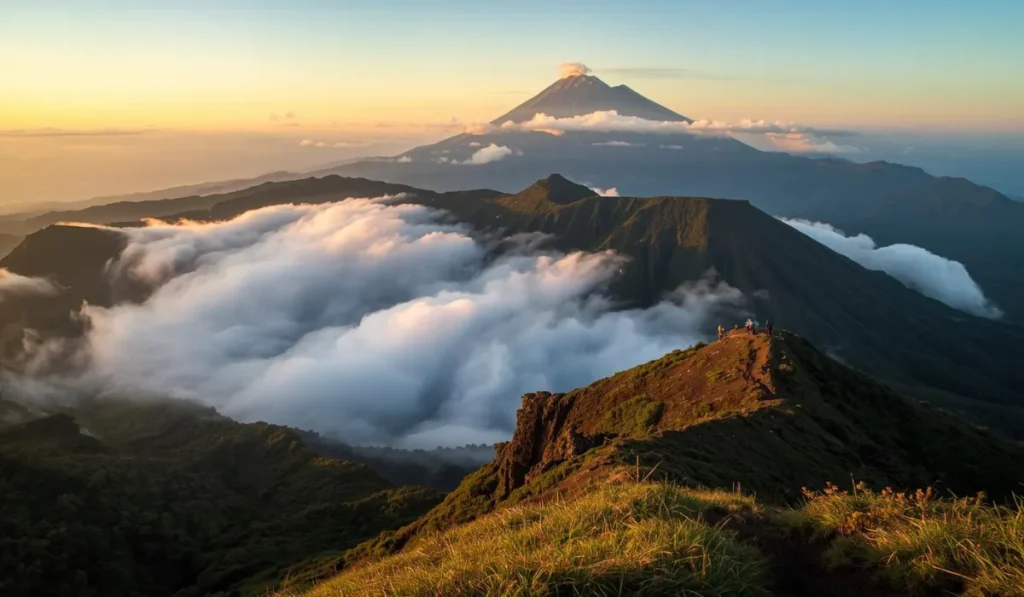
- Natural Parks: El Boquerón National Park (San Salvador Volcano), Balboa Natural Park, Puerta del Diablo, and Cerro Verde.
- Ruta de las Flores: The circuit of colonial towns in the Apaneca mountains, with Juayúa, Ataco, and Apaneca as stars.
- Lake Coatepeque: The turquoise crater lake, the quintessential weekend destination.
How to Organize Your Route by Region:
- Western: Santa Ana (Ilamatepec Volcano), Lake Coatepeque, Ruta de las Flores, Joya de Cerén, Tazumal.
- Central: San Salvador (Historic Center, El Boquerón, BINAES), Suchitoto, La Libertad beaches.
- Eastern: Las Flores Beach, El Cuco Beach, Gulf of Fonseca, and new developments in Usulután (Alegría, Berlín, Punta Mango).
Vehicle Rental: Highly Recommended
Public transportation in El Salvador is not tourist-friendly — unreliable schedules, safety concerns, and limited routes make it impractical for most travelers. Instead, many visitors choose to rent a vehicle to maximize time and comfort. Carvi: Alquiler fácil y sin depósito en El Salvador offers a 100% online rental experience with:
- No security deposit
- Insurance included
- Kilometraje libre
- 24/7 roadside assistance
- Delivery at airport or your hotel
🚘 Secure your car now and hit the road — click above to check availability!
👉 Check available cars for your travel dates
👉 Book now and travel with peace of mind
Natural Tourist Attractions You Must Know
Santa Ana Volcano (Ilamatepec). It’s the tallest volcano in the country (2,381 meters) and its most emblematic hike. The reward is a brilliant turquoise crater lake due to sulfuric minerals. It’s a 4 to 5 hour excursion (8 km round trip). From the adjacent Cerro Verde National Park, there are spectacular views of the volcano, Lake Coatepeque, and Izalco Volcano.
El Boquerón National Park. Located atop the San Salvador Volcano, just 30 minutes from the capital’s center. It’s the most accessible natural escape. The main crater is 1.5 km in diameter, formed about 800 years ago. There are family-friendly trails and viewpoints. Ideal for traveling with children.
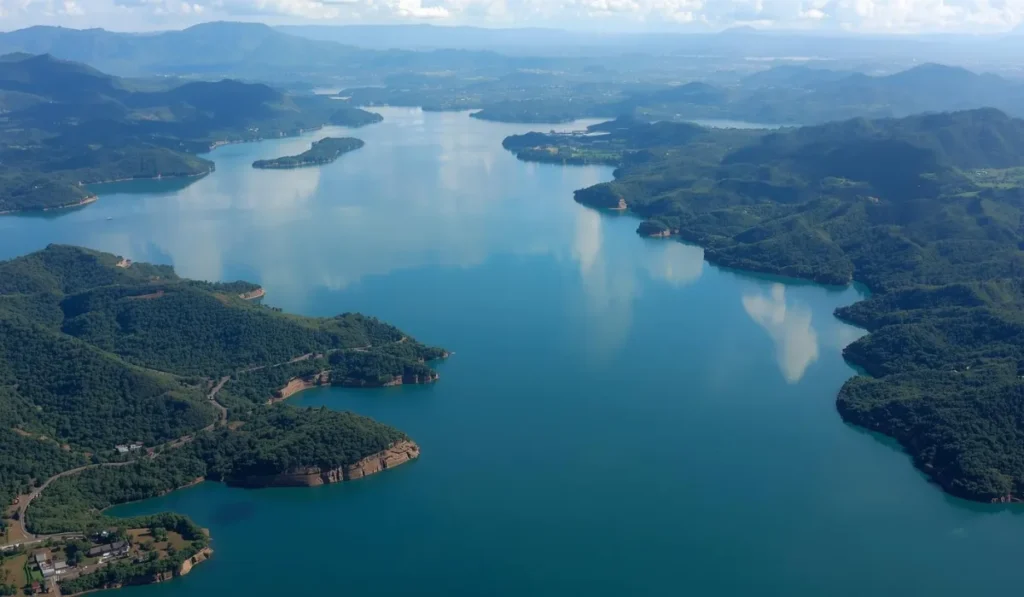
Lake Coatepeque. A volcanic crater lake considered one of the most beautiful in the world. Its crystal-clear waters and mountainous surroundings make it an accessible luxury destination. You can kayak, paddleboard, jet ski, or simply enjoy the restaurants on stilts. It’s a safe, patrolled zone.
El Pital Hill. The highest point in El Salvador (2,730 meters), on the border with Honduras. Cold climate, cloud forest, and between December and February, the possibility of frost. It’s the only place in the country where sub-zero temperatures have been recorded.
Jiquilisco Bay. The most extensive mangrove reserve in El Salvador (Ramsar site). Critical habitat for the hawksbill turtle, critically endangered. Boat tours, bird watching, and a practically virgin ecosystem. Connects with Surf City II.
Los Tercios Waterfalls (Suchitoto) and Tamanique. Los Tercios is famous for its columnar volcanic rock formations, creating natural pools. Tamanique, in La Libertad, is a system of five hidden waterfalls. Requires a mandatory local guide.
The Best Beaches in El Salvador
El Tunco. The epicenter of surf and backpacker tourism. Its name comes from a pig-shaped rock that emerges on the beach. It’s the place with the greatest offering of surf schools, hostels, bars, and restaurants. Visitors highlight the safety on the pedestrian walkway and the vibrant nightlife. Ideal for learning to surf.
El Zonte. A few kilometers from El Tunco, but with a calmer, more relaxed atmosphere. Its waves are consistent and attract surfers seeking fewer crowds. It was one of the first places in the world to adopt Bitcoin as legal tender, although today its use is voluntary. Perfect for families or travelers seeking disconnection.
Las Flores Beach (Eastern). Considered one of the best left-hand waves in the world. It’s in Usulután, within the Surf City II corridor. It’s a beach for advanced surfers, with strong currents. Its virgin beauty and low occupancy make it a paradise. The government plans to build a viewpoint at Punta Mango to boost this area in 2026.
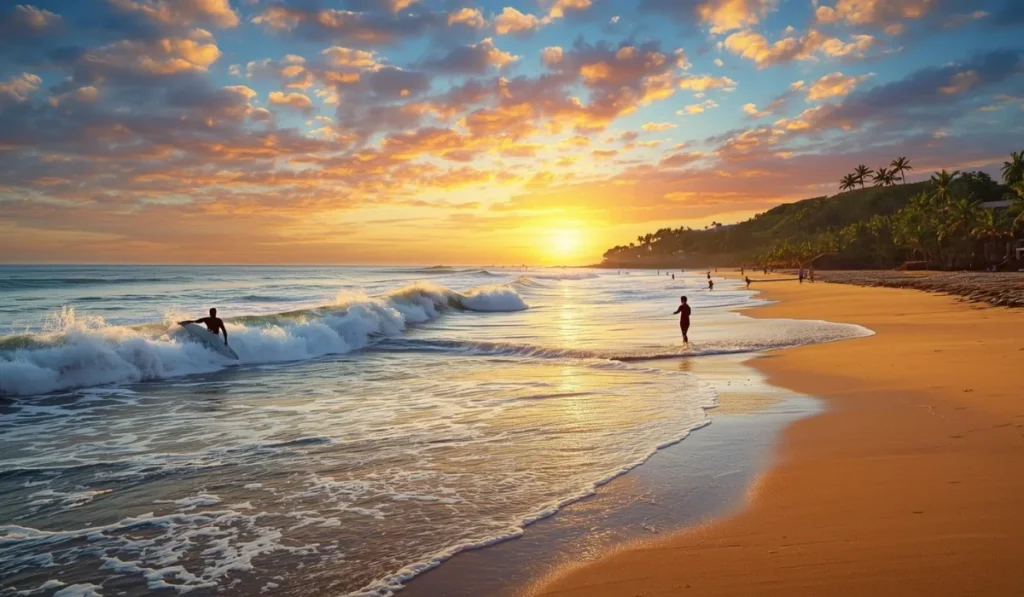
Costa del Sol. The quintessential family beach. Calmer sea, light sand, and a wide range of restaurants and pools. Close to Comalapa International Airport. Ideal for young children.
La Libertad Tourist Complex (Sunset Park). An infrastructure development including boardwalks, restaurants, and a park. It’s one of the busiest spots for domestic and foreign tourists. Excellent for watching the sunset.
Important Precaution: Pacific beaches in El Salvador have strong rip currents. The U.S. government warns that “most public beaches have government lifeguards, but private beaches may not.” Respect red flags and lifeguard instructions. Do not swim under the influence of alcohol.
Cultural and Historical Tourist Attractions
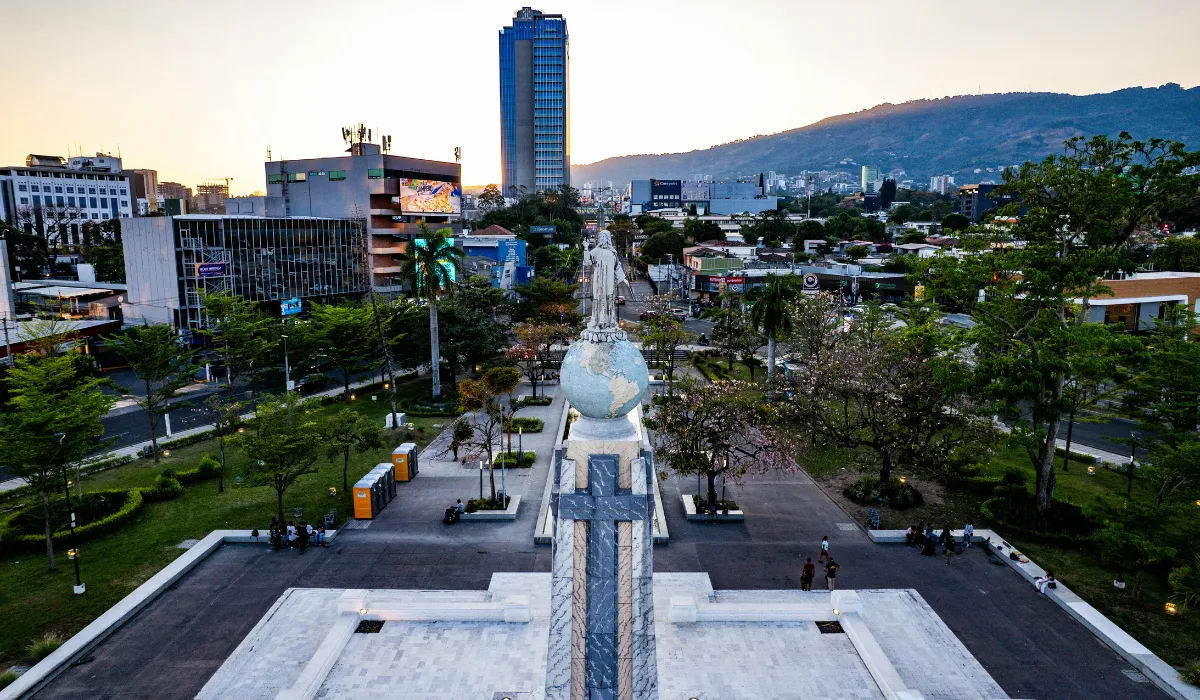
Historic Center of San Salvador. It’s the great urban renewal story of Central America. The Government of Canada, which maintains general precautionary recommendations, makes an explicit exception for this area: “The Historic Center is much safer thanks to the dedicated efforts of local authorities.”
The unmissable points are:
- Metropolitan Cathedral: Houses the tomb of Monsignor Óscar Arnulfo Romero.
- National Palace: Guided tours through its halls of honor.
- National Theatre: The oldest in Central America.
- Barrios, Libertad, and Morazán Squares: The recovered civic heart.
- National Library (BINAES): 7 levels, open 24/7, with panoramic views. It’s one of the most visited destinations in the country.
- El Rosario Church: Brutalist concrete exterior, spectacular abstract stained glass interior.
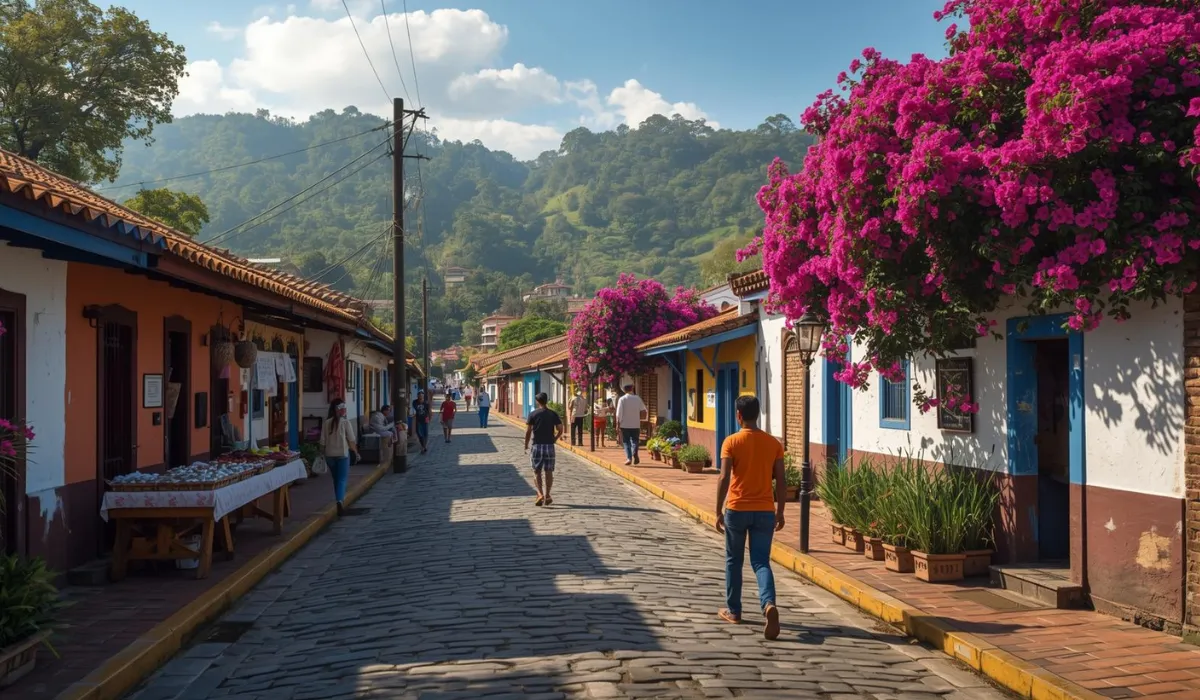
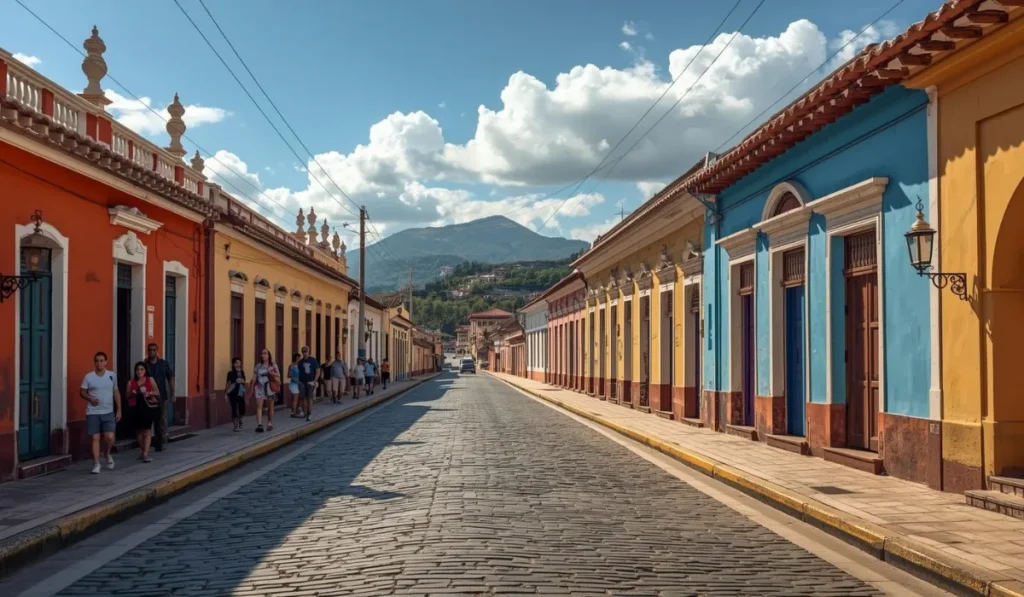
Suchitoto. The quintessential colonial city. Cobblestone streets, tiled-roof houses, viewpoint over Lake Suchitlán (a reservoir). It’s the most active cultural center outside the capital, with film, theater, and art festivals throughout the year. Safe and tranquil atmosphere.
Ruta de las Flores. A 36 km corridor connecting six municipalities in the Apaneca mountains:
- Concepción de Ataco: Colorful murals, cobblestone streets, artisan workshops, and coffee. Ideal for unhurried walking.
- Juayúa: Famous for its weekend gastronomic festival. Dozens of stalls offer everything from typical dishes to exotic soups. It’s a safe, family-friendly popular festival.
- Apaneca: The highest altitude town. Laguna Verde, Laguna Las Ninfas, buggy rides, and zip-lining. Ideal for mild adventures with teenagers.
- Nahuizalco: Preserves Pipil traditions. Its night market is unique.
Joya de Cerén. UNESCO World Heritage Site. It’s the “Pompeii of America”: an agricultural Maya village buried by volcanic ash around 600 AD. The ash preserved organic objects (corn, beans, cacao, mats) that normally disappear. It’s not a ceremonial center; it’s a farming community frozen in time.
Tazumal (Chalchuapa). The most visited archaeological site in the country. Main pyramid 24 meters high. Site museum with valuable pieces.
How to Get Around Between Tourist Attractions in El Salvador
This is the most important decision of your trip.
Public Transportation: NOT RECOMMENDED.
The Government of Canada is emphatic: “Do not use local or intercity public buses.” Reasons: they are unreliable, poorly maintained, and are places where petty theft, armed robbery, and sexual harassment occur.
The U.S. government agrees: “Avoid public transportation, especially buses.”
For a tourist with luggage, a camera, and a passport, the risk is unnecessary.
Vehicle Rental: RECOMMENDED with conditions.
It’s the option that offers maximum freedom. Platforms like Carvi (considered the “Airbnb of cars“) operate in El Salvador with significant advantages: daily rates from $28-$45, basic insurance included, no abusive security deposits (traditional ones block between $200 and $1,500), and delivery at the airport or your hotel.
Official driving recommendations:
- Always use main roads and highways.
- Minimize travel outside major cities at night.
- Drive with doors locked and windows up.
- Do not rely solely on navigation apps; they may reroute you through dangerous areas.
- Zero tolerance for alcohol. You can be detained for any level of alcohol while driving.
- Avoid stopping at scenic overlooks; they may be targeted by criminals.
- Never leave passports or other important documents in the vehicle.
Tourist Transportation Services (Private Shuttles): THE SAFEST OPTION.
For those who prefer not to drive in an unfamiliar country, private shuttles are the ideal solution. Companies like Carvi offer door-to-door transportation with professional drivers between the airport, hotels, and tourist destinations. Especially recommended for families, large groups, or travelers who value their time and peace of mind.
Taxis and Apps:
- Use only radio-dispatched taxis, taxis located in front of major hotels, or internet-based rideshare services (Uber).
- At the airport, arrange your transportation in advance through your hotel.
- Do not board taxis at taxi stands or hail taxis on the street.
- Negotiate the fare before the trip.
Recommended Itineraries
3-Day Itinerary (Essentials – first visit):
- Day 1: Arrival in San Salvador. Historic Center (Cathedral, National Palace, BINAES, El Rosario Church). Night in Zona Rosa or Santa Elena.
- Day 2: Santa Ana Volcano + Lake Coatepeque. Night in Santa Ana or Cerro Verde.
- Day 3: Joya de Cerén + Suchitoto. Transfer to airport.
5-Day Itinerary (Nature + Culture):
- Days 1-2: San Salvador and Suchitoto.
- Day 3: Ruta de las Flores (Ataco, Juayúa, Apaneca). Night in Ataco.
- Day 4: Santa Ana Volcano and Lake Coatepeque.
- Day 5: Joya de Cerén + Tazumal. Departure.
7-Day Itinerary (Complete Circuit – ideal for families):
| Day | Destination | Main Activity |
|---|---|---|
| 1 | Arrival San Salvador | Pupusas in Olocuilta, Historic Center at sunset |
| 2 | San Salvador – Surroundings | El Boquerón Park (morning), Joya de Cerén (afternoon) |
| 3 | Santa Ana Volcano | Guided ascent or walks in Cerro Verde |
| 4 | Ruta de las Flores | Ataco (murals), Juayúa (gastronomic festival) |
| 5-6 | Pacific Coast | Surf in El Tunco/El Zonte, rest, sunsets |
| 7 | Return | Last morning at the beach, transfer to airport |
Combined Nature + Beach + Culture Route: This is the essence of El Salvador. Start in the capital, go up to the volcanoes, tour the mountain towns, and end with your feet in the Pacific. In 7 days, you have the entire country.
Add Smart Mobility to Your Itinerary
For each of these itineraries — whether it’s 3, 5, or 7 days — having your own vehicle can transform your experience. Booking with Carvi: Renta de carros sin complicaciones en El Salvador ensures your road trip is comfortable, transparent, and fully customizable.
📌 Choose your vehicle type, set pick-up/drop-off points, and travel with confidence!
🚘 Use Carvi to access unique viewpoints, remote beaches, and mountain towns that are hard to reach by bus or public transport.
👉 Reserve a car now with no deposit!
Practical Tips for Travelers
Documentation:
- Citizens of the U.S., Spain, Mexico, and most Latin American countries DO NOT need a visa.
- Upon arrival, purchase the Tourist Card ($12 USD).
- Valid passport (minimum 6 months).
- Minors: If traveling without one parent, they require a Notarized Exit Authorization. It can be processed online by sending the scanned document to
atencion.prechequeo@migracion.gob.svto receive validation with a QR code.
Currency and Payments:
- Official currency: US Dollar (USD).
- Carry small bills ($1, $5, $10, $20). It’s difficult to change $50 or $100 bills.
- Bitcoin is legal tender, but its use is voluntary and minor. Don’t obsess over paying in crypto.
- ATMs available in shopping malls, hotels, and banks. Use them during the day and indoors.
Estimated Budget (family of 4):
- Mid-range: $150 – $250 USD per day (accommodation, meals in typical restaurants, gas, entrance fees).
- Car rental: $35 – $70 USD per day (depends on vehicle and season).
Health:
- DO NOT drink tap water.
- Mosquito-borne diseases (dengue, chikungunya, zika): use repellent.
- When swimming in fresh water (rivers, lakes): avoid getting water in eyes, mouth, or nose; it may be contaminated even if it looks clean.
- Purchase travel insurance with medical coverage. Public hospitals are precarious; private clinics in San Salvador have a good standard but are expensive.
Personal Safety:
- Do not display signs of wealth: jewelry, expensive watches, large amounts of cash.
- Keep a digital copy of your documents.
- On the street, use common sense. Tourist areas (Historic Center, Ruta de las Flores, La Libertad beaches) have police presence and are safe.
- Avoid conflictive zones: Soyapango, Apopa, Mejicanos. There is no tourist reason to go there.
Water Activities:
- Choose recognized companies with insurance.
- Ensure the vessel has accessible life jackets for everyone.
- Do not board overloaded or poorly maintained vessels.
- Respect red flags on the beach. Rip currents in the Pacific are dangerous, even for expert swimmers.
Connectivity:
- The official platform elsalvador.travel integrates all tourist offerings, destinations, and local operators.
- Good internet in cafes in San Salvador, El Tunco, and Ataco. Ideal for digital nomads.
Frequently Asked Questions About Tourist attractions in El Salvador
What are the most visited tourist attractions?
According to official MITUR data 2025-2026:
- Surf City 1 (La Libertad beaches: El Tunco, El Zonte, Sunset Park)
- Historic Center of San Salvador
- Sivarland / Public tourist complexes
- Balboa Natural Park and Puerta del Diablo
- Ruta de las Flores
How many days are needed to see El Salvador?
5 days for the essentials. 7 days for a complete circuit without rushing. The country is small, transfers are short. One week gives you volcanoes, colonial towns, and beach.
Is it expensive to travel to El Salvador?
No. Compared to Costa Rica or Panama, it’s significantly more economical. Food in markets is very cheap, mid-range accommodation has excellent value for money, and organized tours are affordable. For a family of 4, $200 daily (all inclusive) is a realistic budget.
What is the best area to stay?
- San Salvador: Zona Rosa, Colonia Escalón, Santa Elena. Close to restaurants and nightlife.
- Family beach: Costa del Sol.
- Backpacker/surf atmosphere: El Tunco.
- Relaxation/disconnection: El Zonte, Ataco, Suchitoto.
- Natural luxury: Lake Coatepeque (Cardedeu, Casa 1800 Cerro Verde hotels).
Is it safe to travel with children to El Salvador?
Yes. International perception has changed radically. With normal precautions (not driving at night, staying in tourist areas, using private transportation), it’s an excellent family destination. Children enjoy the beaches, volcanoes, and the warmth of the people.
Do I need to rent a car?
Highly recommended. Public transportation is not a viable option for tourists. Platforms like Carvi offer flexible rentals without abusive deposits, or private transportation with a driver. It’s the difference between a smooth trip and one full of setbacks.
Do I need a car to visit multiple attractions?
Most visitors find that renting a car simplifies their trip and expands what they can see and do. Carvi’s easy online rentals make this affordable and stress‑free, with insurance included and no security deposit required.
👉 Reserve with Carvi today and skip long lines at the airport!
Conclusion – The Best Tourist Attractions in El Salvador According to Your Trip Type
For nature lovers: Santa Ana Volcano, Lake Coatepeque, Jiquilisco Bay, El Pital Hill.
For surfers: El Tunco, El Zonte, Las Flores Beach, Punta Mango (soon with a viewpoint).
For families: Costa del Sol, El Boquerón, Ruta de las Flores, Historic Center of San Salvador.
For foodies: Juayúa (gastronomic festival), San Salvador markets, pupusas in Olocuilta.
For culture and history: Joya de Cerén, Tazumal, Suchitoto, Historic Center.
For digital nomads: San Salvador (Zona Rosa), El Tunco, Ataco. Stable internet and growing community.
El Salvador in 2026 is a country that has broken its own mold. The 4.1 million international visitors who arrived in 2025 are not wrong. The Level 1 classification from the State Department is not a symbolic gesture: it’s the recognition of a real, tangible transformation that you can verify by walking through the Historic Center on a Saturday night or catching a wave in El Tunco at sunset.
Warnings exist, and it’s responsible to know them. But it’s also responsible to recognize that no destination is 100% safe, and that El Salvador today offers travel conditions comparable to those of any developed country.
What makes this country unique isn’t just its recovered security. It’s its human scale: you can get to know it entirely in a week. It’s its short distances: fewer hours on the road, more hours of experience. It’s its authenticity: here there is no mass tourism, there are towns that welcome you with a genuine smile.
El Salvador is the tourism renaissance of Central America. And you can be part of that story.
🚗 Travel Smart in El Salvador with Carvi
✔ 100% online car rentals
✔ No security deposit
✔ Insurance included & roadside assistance
👉 Click here to see available cars for your travel dates!
📌 Official and Authority Links Cited in This Article:
- U.S. Department of State – Travel Advisory El Salvador: https://travel.state.gov – Level 1: Exercise Normal Precautions
- Government of Canada – Travel Advice El Salvador: https://travel.gc.ca – Exercise a high degree of caution, with exception of the Historic Center
- Ministry of Tourism of El Salvador (MITUR): https://mitur.gob.sv – Official visitor, currency, and project data 2026
- elsalvador.travel: Official tourism promotion platform
- UNESCO – Joya de Cerén: https://whc.unesco.org/en/list/675/
- Carvi – Rental and private transportation: https://www.carviapp.com – Mentioned as recommended mobility solution
Share this content:
Post Comment