Ecotourism and Adventure
Travel and Tourism
best places in el salvador, Central America travel, El Salvador Nature, El Salvador tourist attractions, El Salvador Travel, Lake Coatepeque, Lake Coatepeque activities, Lake Coatepeque El Salvador, Lake Coatepeque restaurants, Lake Coatepeque travel guide, Lake Coatepeque viewpoints, lakes in El Salvador, Santa Ana El Salvador tourism, things to do in Lake Coatepeque, tourism in El Salvador, travel guide El Salvador, visit El Salvador, visit Lake Coatepeque, volcanic lake El Salvador
Hebert Hechavarría Morales
0 Comments
Lake Coatepeque in El Salvador: What it is, where it’s located and what to do
- What is Lake Coatepeque
- History and formation of Lake Coatepeque
- Where is Lake Coatepeque located
- How to get to Lake Coatepeque
- What to do at Lake Coatepeque
- Best places to visit at Lake Coatepeque
- When to visit Lake Coatepeque
- Tips for visiting Lake Coatepeque
- Other tourist attractions near Lake Coatepeque
- Explore Lake Coatepeque with total freedom
- Frequently asked questions about Lake Coatepeque
If you’re looking for a destination that combines stunning nature, adventure and relaxation in El Salvador, Lake Coatepeque is one of those must-stop places you can’t miss. Considered by many travelers as the most outstanding tourist destination in the country , this volcanic lake captivates at first sight. Its imposing beauty led it to compete in 2013 to be one of the new natural wonders of the world, obtaining nothing less than second place internationally, only surpassed by Chile’s Torres del Paine National Park .
What makes Lake Coatepeque so special is not only its size or origin, but that magical atmosphere that can be felt in its waters of changing tones, surrounded by mountains and volcanoes. Every weekend, around 3,000 visitors come to its shores to enjoy everything it offers . And to move around with total freedom through the viewpoints, restaurants and nearby towns, Carvi is your best ally: renting a car will allow you to discover every corner at your own pace, without depending on schedules or public transportation.
Below, we tell you everything you need to know to plan your visit to this Salvadoran paradise.
What is Lake Coatepeque
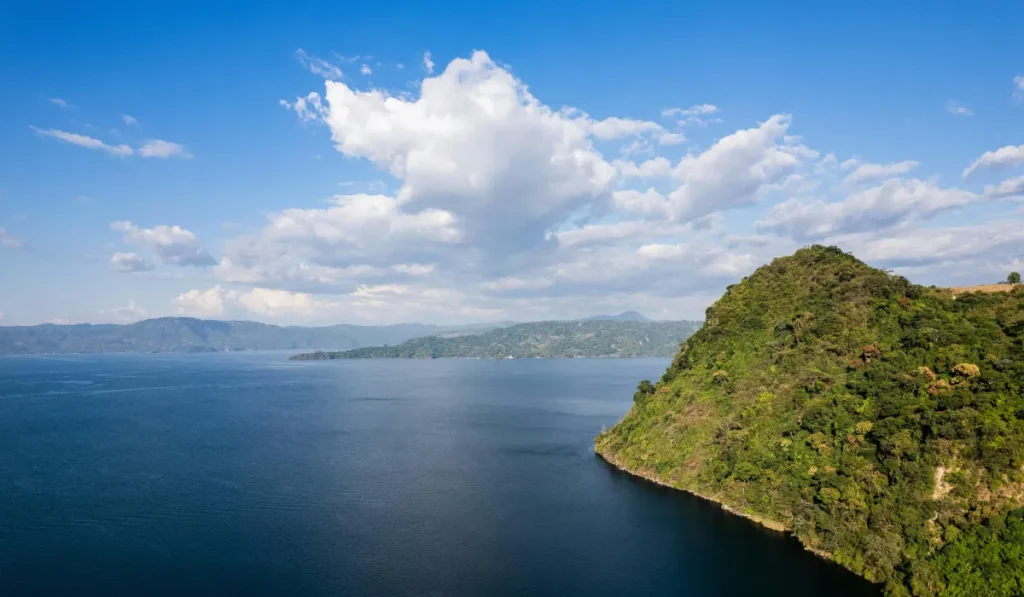
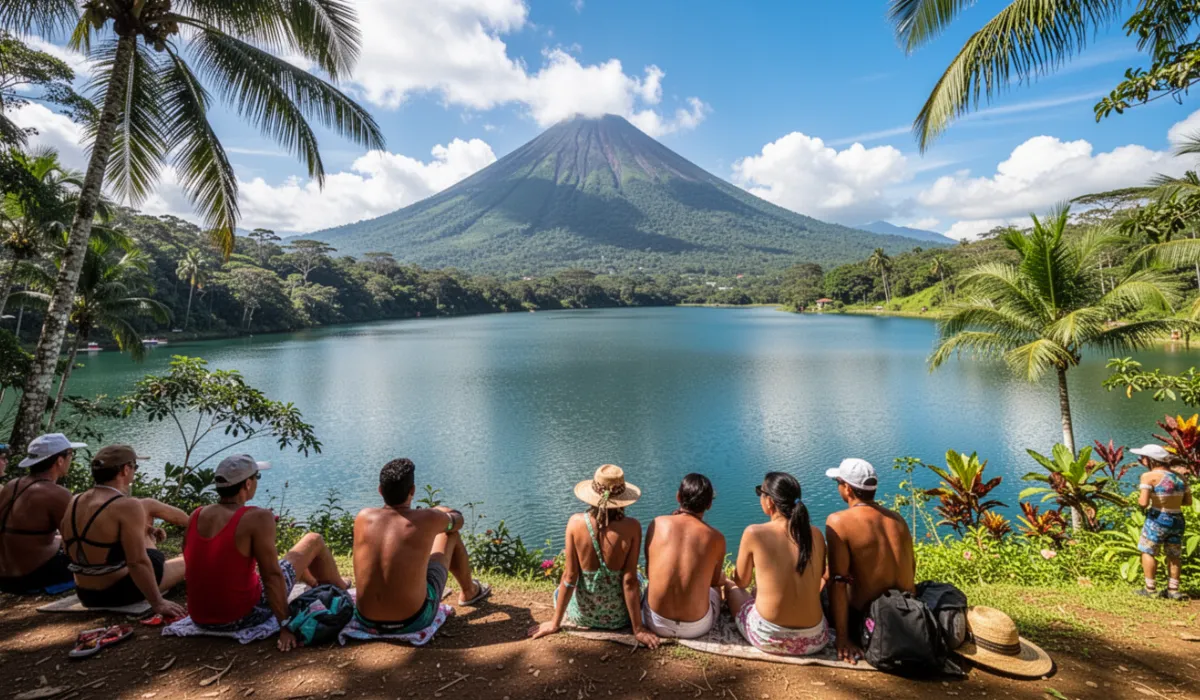
Lake Coatepeque is, essentially, a volcanic caldera: the result of cataclysmic eruptions that occurred thousands of years ago and completely transformed the landscape . Today it is a huge mirror of water covering 25.3 km² of surface area , making it the largest lake in El Salvador.
Its name comes from Nahuatl and means “Hill of Snakes” or “mountain of serpents” . It is located 745 meters above sea level and reaches a maximum depth of 115 meters . But one of its most fascinating features is the color change of its waters: between June and August, the lake often turns an incredible turquoise color due to the proliferation of microalgae and magmatic minerals . This natural phenomenon attracts photographers and curious people from all over.
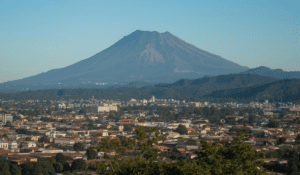
The surrounding landscape is equally imposing. From its waters, the view towards the Santa Ana Volcano (Ilamatepec) and Cerro Verde is simply spectacular . It’s no coincidence that it was declared a National Tourist Interest Center and, more recently, in February 2023, a Protected Natural Reserve by the Ministry of Environment .
History and formation of Lake Coatepeque
To understand what we see today, we have to travel far back in time. Lake Coatepeque is part of the Santa Ana volcanic complex, an area of intense geological activity that extends for 20 kilometers .
About 406,000 years ago, a massive eruption formed the Chilamatal caldera. Then, about 220,000 years ago, two large stratovolcanoes emerged: north Coatepeque and south Coatepeque, which grew to about 2,500 meters in height . But the story didn’t end there.
Approximately 72,000 years ago, the north Coatepeque volcano collapsed in two gigantic eruptions, forming a first lake smaller than the current one . The most powerful eruption occurred about 53,000 years ago, when the south Coatepeque volcano had a supereruption that enlarged the caldera and gave it its characteristic figure-eight shape . The ash column is estimated to have reached 32 km in height .
After these events, the geographical features we know today were formed:
- Los Anteojos (The Eyeglasses): Two small peninsulas that are actually lava domes. The northern dome is 25 meters in diameter and height, while the southern one reaches 150 meters in diameter .
- Teopán Island (or Cerro Island): A lava dome between 80 and 100 meters high and approximately 1 km in diameter . Here, the indigenous Pipils had a temple and a monolith in honor of Itzqueye, the goddess of mothers and fertility .
- Los Manguitos Island: A small island south of Teopán that, when the water level drops, becomes connected to the shore .
The cultural and archaeological richness of the area is enormous, and even today locals tell legends like that of “El Tabudo” (The Web-footed One), a man who, according to oral tradition, was trapped in the kingdom of the goddess Itzqueyé and now helps fishermen and visitors .
Where is Lake Coatepeque located
Lake Coatepeque is located in the department of Santa Ana, specifically 18 km south of the city of Santa Ana, in the district of El Congo .
Its exact coordinates are 13°52′N 89°33′W, and it is nestled in the eastern part of the Santa Ana Volcano .
Key distances:
- From San Salvador: Approximately 60 km .
- From San Salvador International Airport: About 50 km .
- From Santa Ana: Only 15-18 km .
- From the Ruta de las Flores: Very close, forming part of the tourist circuit of the western zone.
Additionally, the lake is within the Los Volcanes Complex, sharing the stage with the Santa Ana Volcano, the Izalco Volcano and Cerro Verde . This makes it a strategic point to explore the best of western El Salvador.
How to get to Lake Coatepeque
Getting to Lake Coatepeque is relatively simple, but the experience can vary greatly depending on the means of transport you choose.
By car (the best option)
The most comfortable and flexible way is, without a doubt, in your own or rented car.
- From San Salvador: Take the Pan-American Highway (CA-1) towards Santa Ana. At the El Congo turnoff, you’ll find signs to the lake. The journey takes between 1 hour and 1 hour 15 minutes, depending on traffic .
- From Santa Ana: Head to El Congo via the main road and then follow the signs. You’ll be there in 20-30 minutes .
Having a vehicle allows you to stop at all the viewpoints, access different points of the lake and, best of all, combine the visit with other nearby destinations without worrying about bus schedules. That’s why renting a car with Carvi is the smartest decision: total freedom to explore.
Public transportation
It is possible, but requires more planning. You can take a bus from Santa Ana to the municipality of El Congo. From there, you’ll have to take a taxi or a local bus that takes you to the lake shores. The total journey is considerably longer and flexibility is limited.
Organized tours
Another alternative is to book a tour from San Salvador or Santa Ana. Many agencies include Lake Coatepeque in their packages, combining it with visits to the Santa Ana Volcano or Cerro Verde.
But if you’re looking for independence to move around, discover hidden corners and stay as long as you want in each place, the recommendation is clear: choose Carvi for your trip.
What to do at Lake Coatepeque
The range of activities is so wide that it’s hard to get bored. Here are the main ones:
- Boat rides: You can hire boat rides at the different lake ports. Many include a stop at Teopán Island and, along the way, the boatmen will tell you the famous “Legend of El Tabudo” . There’s even a two-story ferry that does tours .
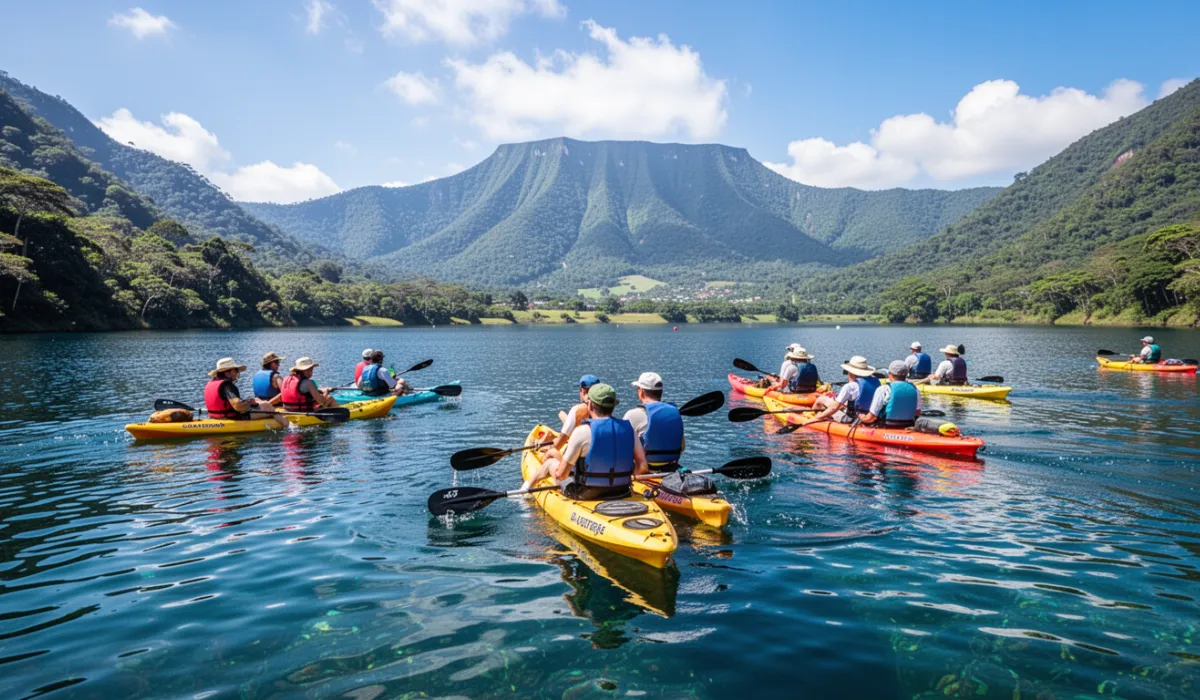
- Water sports: The lake is a paradise for water lovers. You can practice kayaking, stand-up paddleboarding (SUP), diving, snorkeling, jet skiing, water skiing and windsurfing . With a rented car, you can bring your own equipment or move between the different rental centers.
- Gastronomy with a view: There are a wide variety of restaurants and bars on the shore. The “El Bajadero” area is famous for its “pescaditas” (small fried fish) and shrimp . Prices vary: from budget options to luxury restaurants .
- Relaxation: Many hotels and clubs offer day passes to use their pools, rest areas and access the water directly. It’s the perfect plan to disconnect .
- Photography: The viewpoints offer unique opportunities, especially at sunset, when the light paints the landscape in golden and reddish tones.
Best places to visit at Lake Coatepeque
If you don’t know where to start, here are the must-see spots:
- Scenic viewpoints:
- Mirador del Congo: The most well-known, with a classic view of the lake and volcanoes.
- Mirador Café Albania: Besides the view, it has attractions like an extreme swing and a maze. Ideal if you’re going with kids or looking for something more than just a landscape.
- Mirador Las Palmeras: Quieter, perfect for watching the sunset in peace.
- Teopán Island: The obligatory visit. Besides its history, the views from the island to the rest of the lake are spectacular.
- Restaurants by the water: Some highly recommended ones are Rancho Alegre (with live music and a natural pool), La Pampa (specializing in meats) and Vista Lago (within a cabin complex) .
- Recreational areas: Balneario Obrero Constitución 1950 and the El Bajadero area are meeting points for locals and tourists.
When to visit Lake Coatepeque
Choosing the date will depend on what you’re looking for:
- Best time (dry season): From November to March. Skies are clear, the weather is cooler, and panoramic views are perfect. This is high season, so you’ll find more visitors .
- Rainy season (May to October): Fewer people, the surroundings are greener, and accommodation prices may be lower. Rain usually occurs in the afternoon, so mornings are still usable.
- Turquoise color phenomenon: If your goal is to see the turquoise water, schedule your trip between June and August .
- Recommended time: Arrive early (before 10 a.m.) on weekends to avoid traffic and easily find parking. Another option is to go late in the afternoon to enjoy the sunset and dinner with a view .
Tips for visiting Lake Coatepeque
A few practical tips will make your visit much more enjoyable:
- What to bring: Comfortable clothes, swimsuit, towel, sandals or water shoes, sunscreen, insect repellent, camera, and very importantly, cash. Many restaurants and local services don’t accept cards .
- Safety: Fill up the gas tank before you arrive, as there aren’t many gas stations nearby. Don’t leave valuables visible inside the car. In general, it’s a safe tourist destination, but taking usual precautions is enough .
- Environment: Take your trash with you and respect the natural areas. The lake faces environmental problems like cyanobacteria accumulation, so taking care of it is everyone’s responsibility .
- Water access: The lake doesn’t have many public beaches. Generally, to access the water you need to hire a boat ride, visit a restaurant, or buy a day pass at a hotel or club .
And one last tip: having your own vehicle greatly facilitates visiting the different viewpoints, changing restaurants without relying on taxis, and ultimately making the most of your day.
Other tourist attractions near Lake Coatepeque
One of the great advantages of the lake is its strategic location. It’s surrounded by other incredible destinations you can combine in one trip:
- Santa Ana Volcano (Ilamatepec): The highest volcano in El Salvador (2,381 meters above sea level). There are guided hiking routes to its crater, from where you’ll see a yellowish-green sulfur lagoon and views of the lake and the Pacific Ocean .
- Cerro Verde National Park: Offers easy trails with spectacular views of the Santa Ana and Izalco volcanoes. Ideal for a family hike .
- Izalco Volcano: Known as the “Lighthouse of the Pacific” for its historical eruptions visible from the sea.
- Ruta de las Flores (Flower Route): A tour through picturesque towns like Nahuizalco, Salcoatitán, Juayúa and Apaneca. Famous for its gastronomy, festivals and coffee plantation landscapes .
- Santa Ana City: The second most important city in the country. Its historic center, with the Santa Ana Cathedral and the National Theatre, is an architectural gem .
To explore all this, renting a car with Carvi is the best investment. You can make your own route, without rushing, and make the most of each destination.
Explore Lake Coatepeque with total freedom
Planning a visit to Lake Coatepeque is the first step to living an unforgettable experience in El Salvador. But, as you’ve seen, the magic doesn’t end in the water. The hidden viewpoints, charming restaurants and neighboring volcanoes are waiting to be discovered.
Having your own transport completely transforms the experience. It allows you to reach the viewpoint just at sunset, change plans on the go if someone recommends a place, and bring everything you need for a perfect day.
That’s why Carvi is here to help you. With a rented car, you’ll have the key to explore Lake Coatepeque and its surroundings with total comfort and freedom.
Book your vehicle today and get ready to experience El Salvador at your own pace.
Frequently asked questions about Lake Coatepeque
Can you swim in Lake Coatepeque?
Yes, you can swim, but access to the water is usually through restaurants, hotels, or by hiring boat rides. Caution should be taken in some areas, especially when there are cyanobacteria alerts .
How much does it cost to visit the lake?
Access to the lake is free. Costs depend on what you do: breakfast can cost around $6, a meal between $15 and $20, and boat rides vary depending on the duration and type of vessel .
What is the best time to go?
It depends on what you’re looking for. For clear skies, November to March. To see the turquoise color phenomenon, between June and August .
Is it worth visiting Lake Coatepeque?
Without a doubt. Travelers describe it as a “magical place”, with “impressive views” and “one of the most beautiful lakes in the world”. It’s a destination that doesn’t disappoint .
What is the best way to get to Lake Coatepeque?
In your own or rented car. It’s the option that gives you the most freedom to tour the viewpoints, access different points of the lake, and combine the visit with other nearby destinations without depending on schedules.
Share this content:


Post Comment