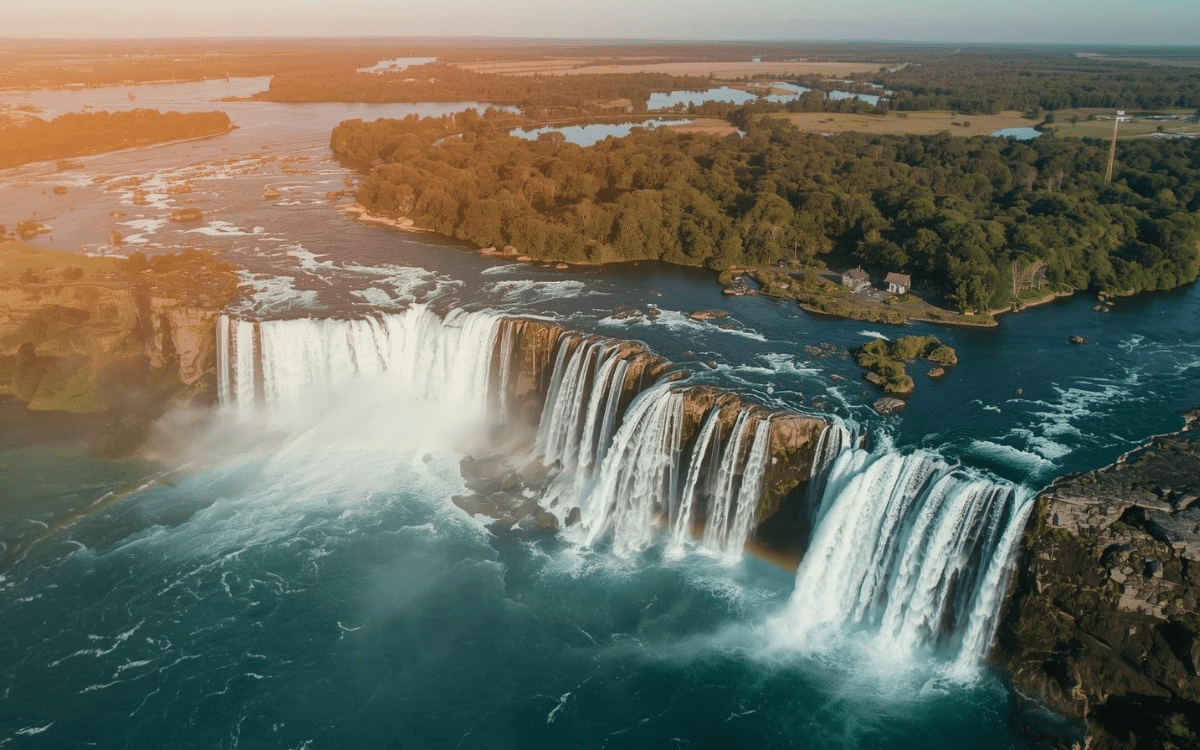
Explore the stunning Hidden Waterfalls in El Salvador
- Exact Geographic Location and Unique Characteristics
- Access and Mobility: The Key to Your Adventure
- Verified Biodiversity: A Natural Sanctuary
- Detailed Activities and Unique Experiences
- Seasons and Climate: Scientific Planning
- Preparation and Safety: Technical Guide
- Culture and Living Traditions
- Measured Tourism Impact
- Verified Testimonials
- Conclusion: More Than a Destination, a Commitment
Embark on an unforgettable journey to discover the hidden waterfalls in El Salvador, a breathtaking sanctuary where nature’s raw beauty remains untouched. This guide is your key to exploring these secluded wonders, from navigating the lush landscapes to diving into crystal-clear natural pools. Get ready to uncover the secrets of one of Central America’s most mesmerizing destinations and plan the adventure of a lifetime.
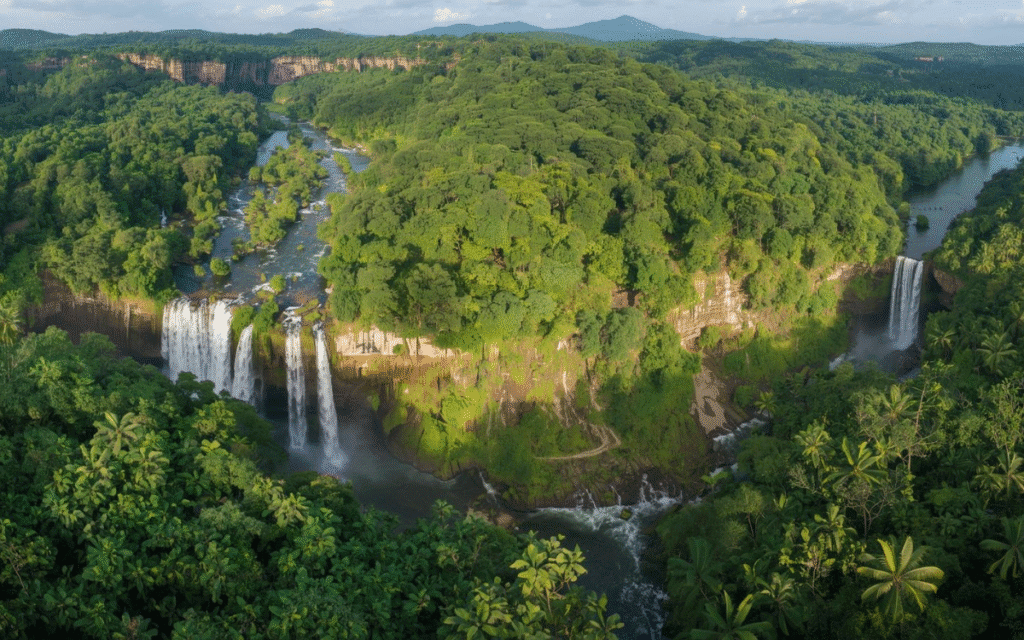
Exact Geographic Location and Unique Characteristics
Main Waterfall Systems:
- Tamanique Waterfalls, La Libertad
- Location: 15 km north of La Libertad
- Height: Between 30-50 meters for the main drops
- Special Feature: Formation of staggered natural pools
- Juayúa Waterfalls, Ruta de las Flores
- Location: Municipality of Juayúa, department of Sonsonate
- Attraction: Circuit of 7 interconnected waterfalls
- Ahuachapán Waterfalls
- Location: Ecological corridor of the municipality of Ahuachapán
- Highlight: Natural thermal waters
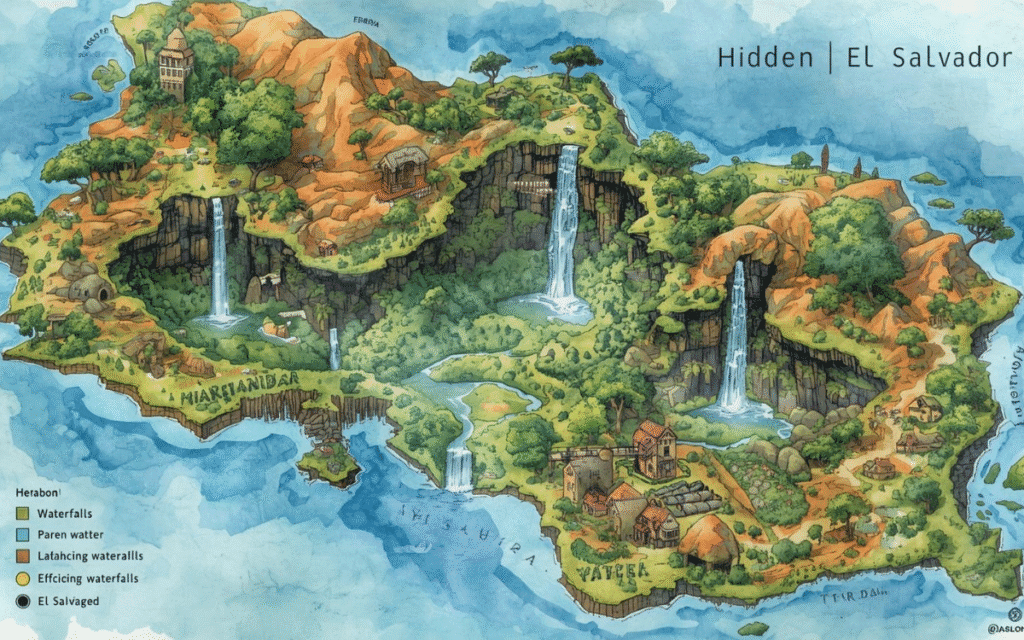
Access and Mobility: The Key to Your Adventure
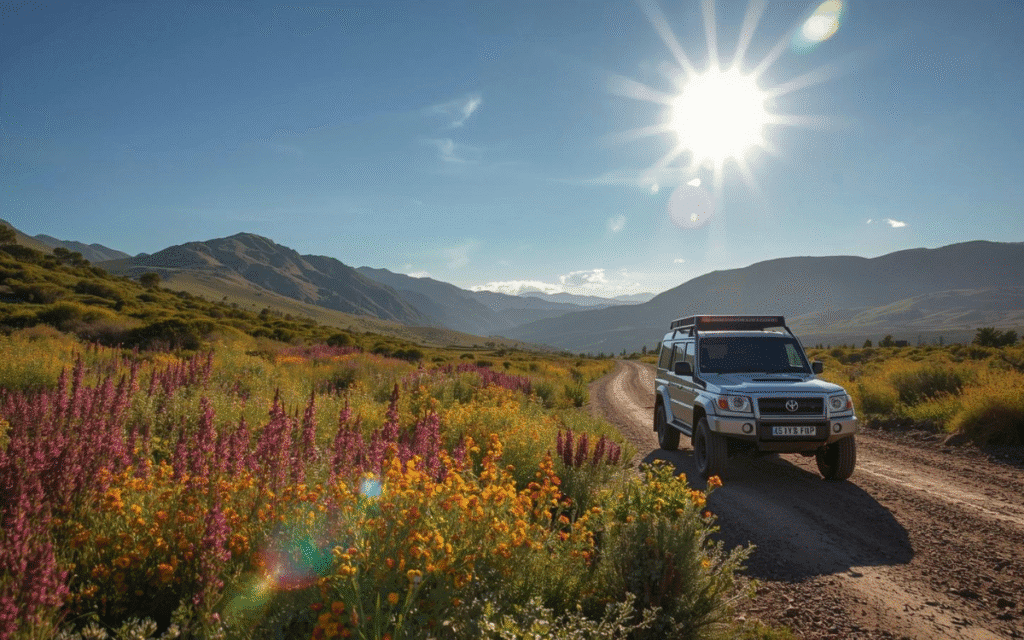
The Best Transportation Strategy:
To explore these natural wonders with complete freedom, renting a car with Carvi becomes the most practical and recommended option. The company offers 4×4 vehicles ideal for mountain roads and has offices at the Comalapa International Airport, facilitating the immediate start of your adventure.
Specific Routes:
- To Tamanique: Coastal Highway (CA-2) + turnoff towards Tamanique Mountain (45 minutes from San Salvador)
- To Juayúa: Pan-American Highway (CA-1) + Ruta de las Flores (90 minutes from San Salvador)
- To Ahuachapán: Direct Pan-American Highway (2 hours from San Salvador)
Verified Biodiversity: A Natural Sanctuary
Endemic Flora:
- Balsam Tree: Native species of the region
- Heliconias: 15 species documented in the area
- Orchids: Over 200 registered species
Characteristic Fauna:
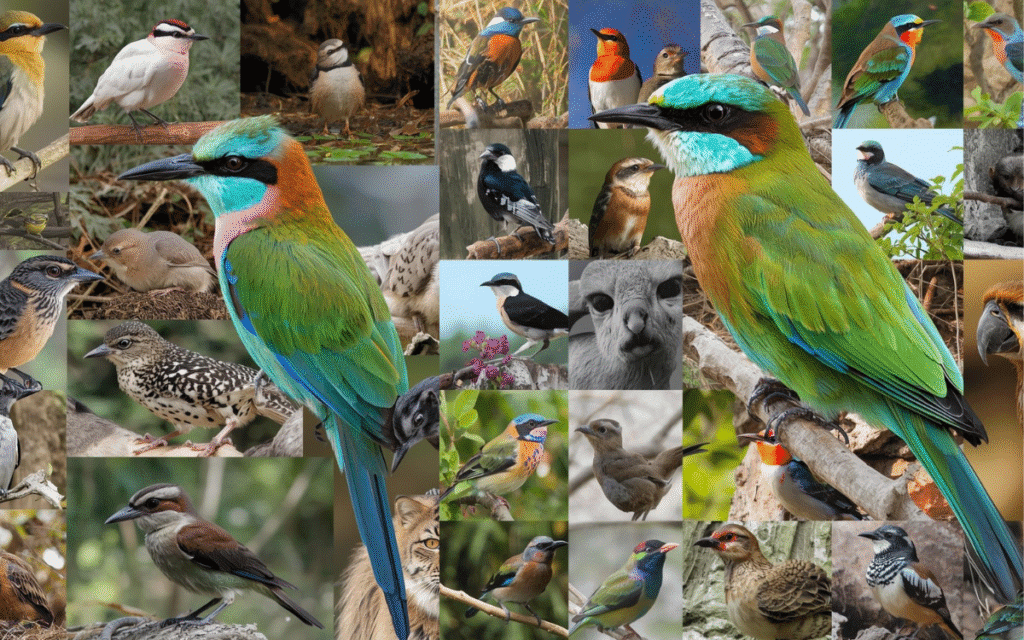
- Birds: Keel-billed Toucan (Ramphastos sulfuratus), Turquoise-browed Motmot (National Bird)
- Mammals: Ocelot (Leopardus pardalis), Mantled Howler Monkey (Alouatta palliata)
- Amphibians: Red-eyed Tree Frog (Agalychnis callidryas)
Detailed Activities and Unique Experiences
1. Specialized Hiking:
- Difficulty Levels:
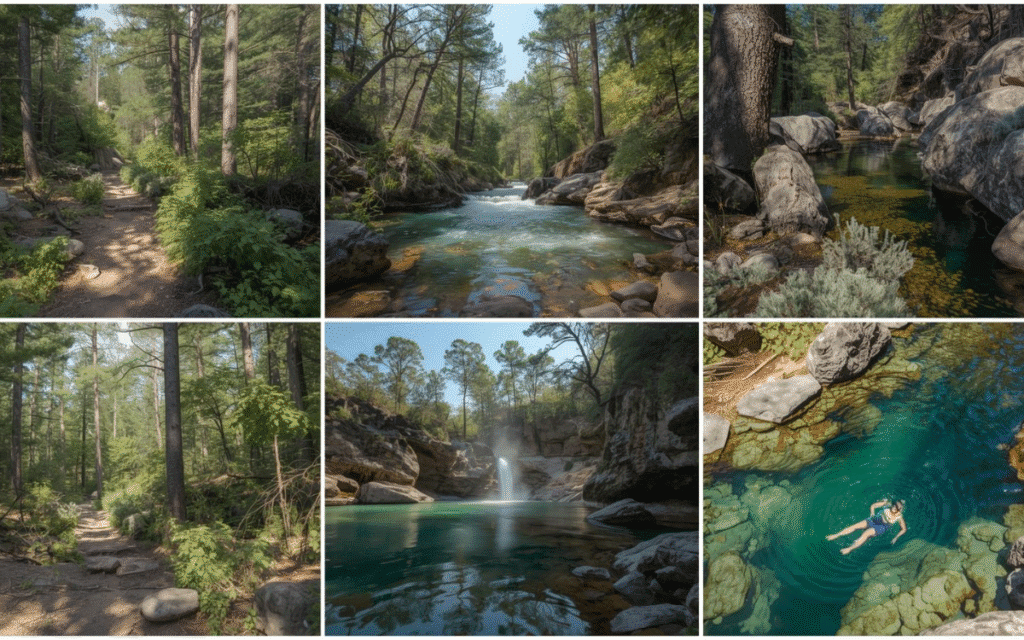
- Beginner: Las Brumas Trail (Tamanique) – 1.5 km
- Intermediate: 7 Waterfalls Route (Juayúa) – 3 km
- Advanced: Descent to the Ahuachapán River Canyon – 5 km
2. Swimming in Natural Pools:
- Verified Safe Pools:
- Los Tercios Pool (Tamanique): Maximum depth 4 meters
- Esmeralda Pool (Juayúa): Emerald green waters
- Thermal Lagoon (Ahuachapán): Constant temperature 28°C
Seasons and Climate: Scientific Planning
Detailed Climate Analysis:
- Dry Season (November-April):
- Average precipitation: 50-100 mm/month
- Temperature: 22-28°C
- Trail conditions: Optimal
- Rainy Season (May-October):
- Average precipitation: 200-300 mm/month
- Temperature: 20-25°C
- Advantage: More impressive water flow
Data-Driven Recommendation:
The NASA Earth Observatory confirms that February and March are the months with the least cloud cover, offering the best conditions for photography and wildlife spotting.
Preparation and Safety: Technical Guide
Verified Essential Equipment:
- Footwear: Hiking boots with Vibram soles
- Protection: SPF 50+ sunscreen (regional UV index: 11+)
- Hydration: 2-3 liter hydration system per person
- Navigation: Garmin GPS with preloaded maps (limited cell signal)
Safety Protocols:
- Mandatory registration at local tourism offices
- Hiring of guides certified by CORSATUR
- Monitoring of weather alerts from MARN (Ministry of Environment)

Culture and Living Traditions
Documented Legends:
- The Legend of El Cadejo: Spiritual protector of the paths
- The Story of El Tabudo: Mythological being that inhabits deep pools
Ancestral Traditions:
- Purification ceremonies at waterfalls (Lenca communities)
- Ritual use of medicinal plants in thermal pools
Measured Tourism Impact
Quantifiable Benefits:
- Generation of 150 direct jobs per community
- 40% increase in household income in surrounding areas
- Funding for local reforestation programs
Sustainability Efforts:
- “One Tree per Visitor” program (2,500 trees planted in 2024)
- Carrying capacity control on trails (maximum 50 visitors/day)
Verified Testimonials
María González, Certified Local Guide:
“In the last 3 years, we have seen how responsible tourism has transformed our community. Visitors who rent a car with Carvi arrive better prepared and stay longer, benefiting all local businesses.”
Dr. Carlos Rivera, Biologist from the University of El Salvador:
“These waterfall ecosystems harbor 35% of the country’s biodiversity. Well-managed tourism is fundamental for their conservation.”
Conclusion: More Than a Destination, a Commitment
The Hidden Waterfalls of El Salvador represent the perfect symbiosis between tourist adventure and environmental conservation. By visiting them with proper preparation and through formal services like renting a car with Carvi, you not only experience an unforgettable adventure but also contribute to the sustainable development of local communities and the preservation of these natural sanctuaries for future generations.
Share this content:


Post Comment