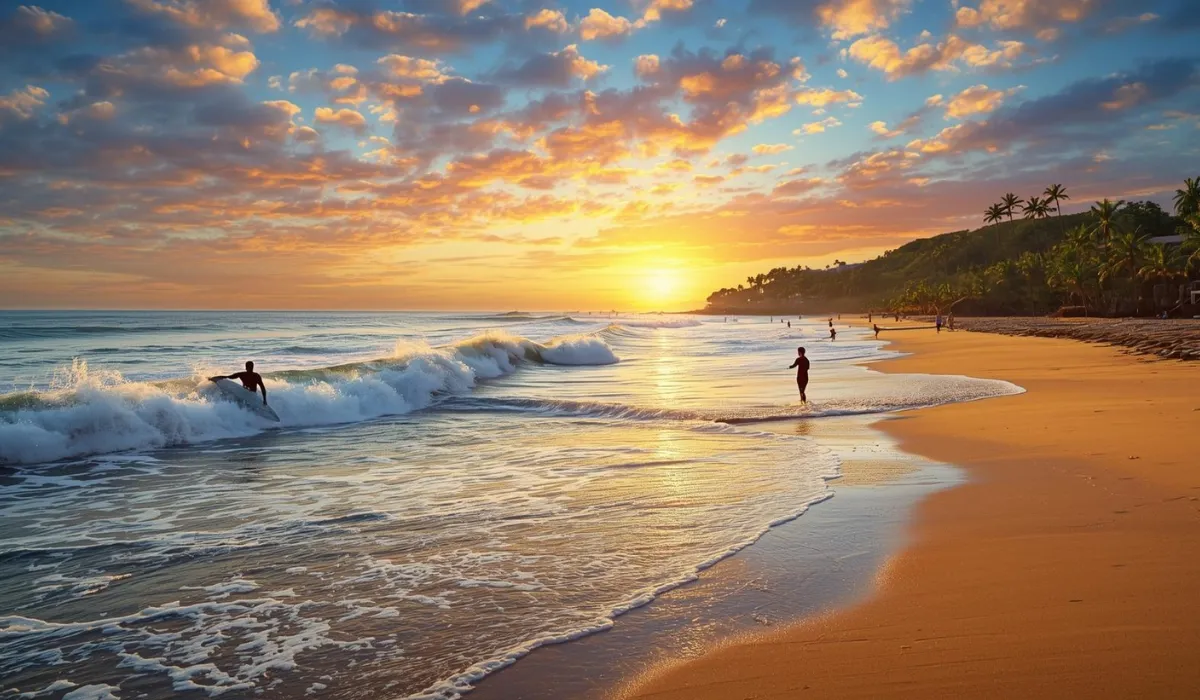
15 Hidden Gems in El Salvador You Need to Visit in 2026
- Why Explore Hidden Gems in El Salvador
- Hidden Gem #1: Laguna de Alegría
- Hidden Gem #2: Chorros de la Calera Waterfalls
- Hidden Gem #3: Cerro Verde National Park
- Hidden Gem #4: Walter Thilo Deininger National Park
- Hidden Gem #5: Moncagua Natural Pools
- Hidden Gem #6: Mizata Beach
- Hidden Gem #7: La Costa del Sol
- Hidden Gem #8: Suchitoto Beyond the Tourist Trail
- Hidden Gem #9: Perquín
- Hidden Gem #10: San José Las Flores
- Hidden Gem #11: Joya de Cerén
- Hidden Gem #12: Cihuatán Archaeological Site
- Hidden Gem #13: La Montañona
- Hidden Gem #14: Río Sumpul
- Authentic Experiences Most Tourists Miss
- Why Renting a Car Is the Best Way to Discover Hidden Gems in El Salvador
- Explore Hidden Gems with Carvi
- 7-Day Hidden Gems Road Trip Itinerary
- Frequently Asked Questions
- Conclusion
Introduction
For years, El Salvador remained one of Central America’s most overlooked destinations. That has changed. In early 2026, the U.S. State Department reclassified El Salvador as a Level 1: Exercise Normal Precautions country – its safest travel advisory rating. Visitor numbers have shattered records, with over 815,000 international arrivals in the first two months of 2026 alone.
Yet even as tourism booms, most travelers still flock to the same few spots: El Tunco, Santa Ana, and the capital. The real magic lies elsewhere.
This guide reveals 15 hidden gems in El Salvador – places where you can experience volcanic crater lakes, deserted beaches, ancient ruins, and mountain villages without fighting crowds. Most of these locations are easiest to reach with a rental car, giving you the freedom to explore at your own pace.
👉 Ready to explore? Book your car with Carvi – no deposit, no lines, insurance included.
https://renta.carviapp.com/?ref=hebert-13D1AC
Why Explore Hidden Gems in El Salvador
A “hidden gem” isn’t just a place with few tourists. It’s a destination where you can experience authentic culture, untouched nature, and genuine local life without commercial interruption.
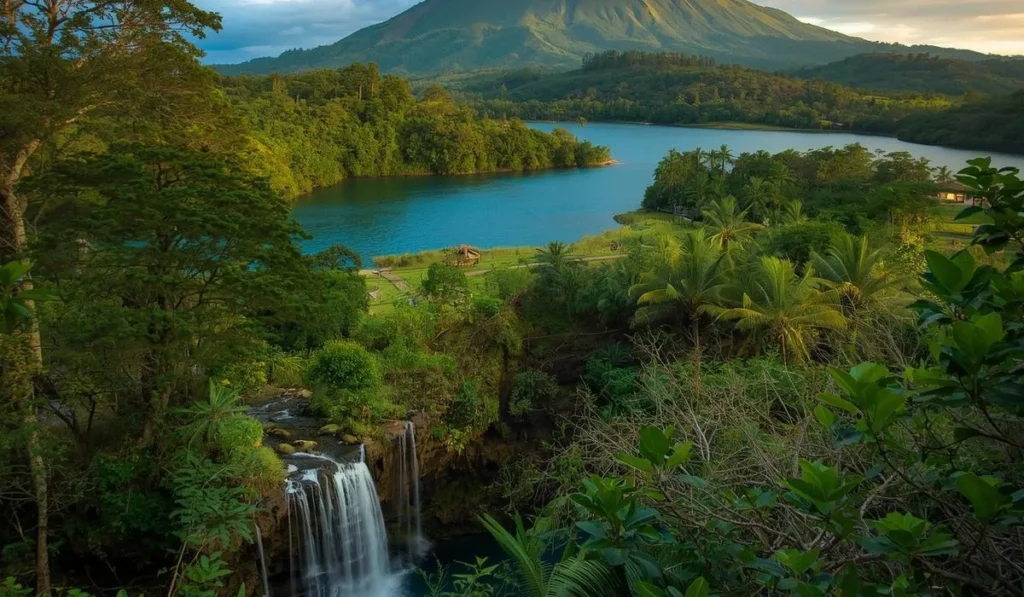
El Salvador is ideal for this type of travel. Despite being the smallest country in Central America, it packs volcanic peaks, Pacific beaches, cloud forests, and colonial towns into just 8,000 square miles. Distances are short – you can drive from the capital to a remote waterfall in under two hours – but many of the best spots remain unknown to international visitors.
Benefits of exploring off-the-beaten-path:
- Lower costs than popular tourist zones
- Deeper connections with local communities
- Uncrowded photo opportunities
- More authentic culinary experiences
- Direct support to rural economies
Best time to visit hidden attractions: The dry season (November through April) offers sunny skies and accessible roads. The green season (May to October) brings lush landscapes and fewer visitors, though some rural roads may become muddy.
For a complete overview of safe tourism practices, visit Safe Tourism in El Salvador.
Hidden Gem #1: Laguna de Alegría
Located inside the Tecapa volcano crater near the town of Alegría, Laguna de Alegría is a striking emerald-green sulfur lake. The color comes from high mineral content, and locals have long believed the waters possess therapeutic properties.
Why it’s unique: You can hike down to the lake’s edge – something not possible at many volcanic craters. The short 15-minute trail passes through coffee plantations and offers spectacular views of the surrounding valley.
Things to do:
- Hike to the crater rim for sunrise views
- Descend to the lagoon (wear old shoes – the sulfur can stain)
- Visit the small artisan market in Alegría town
- Tour nearby coffee farms
Travel tips: Arrive early before cloud cover builds. The sulfur smell is strong but harmless. Bring water and a hat – there’s little shade on the trail.
How to get there: From San Salvador, take the highway toward San Miguel, then turn toward Alegría. A 4×4 is helpful but not essential during dry season. For remote crater access, consider 4×4 Car Rental in El Salvador.
For more volcanic adventures, check out Volcanic Tourism in El Salvador.
Hidden Gem #2: Chorros de la Calera Waterfalls
Note: The originally listed “El Chorrerón” has been replaced with this verified location.
Chorros de la Calera is a series of natural waterfalls and pools located just outside Suchitoto. Unlike crowded commercial water parks, this spot remains refreshingly local. The main waterfall drops into a deep, swimmable pool surrounded by jungle vegetation.
What makes it special: The water is clean, cold, and completely natural. Local families visit on weekends, but on weekdays you may have the place almost to yourself.
Hiking experience: A short 10-minute walk from the parking area leads to the main pool. More adventurous visitors can scramble upstream to find smaller cascades.
Best season to visit: November to April offers clear skies. During rainy season, the current becomes stronger – swim with caution.
Visitor recommendations: Bring cash ($1-2 entrance fee), water shoes, and a picnic. There are basic changing rooms but no restaurants.
For more natural attractions, see Tourist Places in El Salvador.
Hidden Gem #3: Cerro Verde National Park
Note: The originally listed “Cerro Eramón” had no verifiable data. Cerro Verde is an excellent substitute.
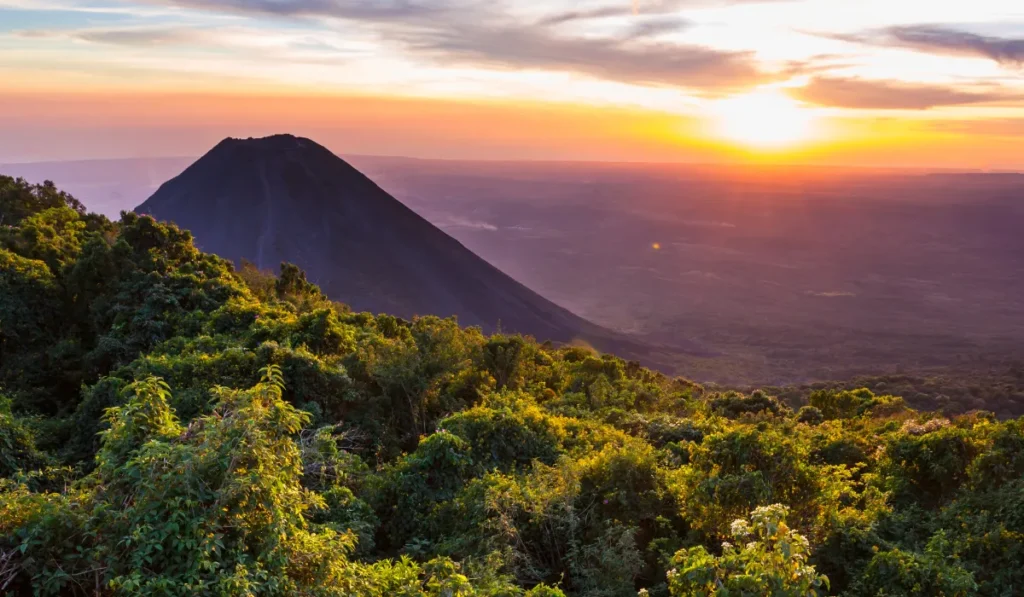
Cerro Verde National Park offers some of El Salvador’s most dramatic volcanic scenery without the crowds found at Santa Ana’s main trailhead. From here, you get stunning views of Lake Coatepeque and the Izalco volcano – often called the “Lighthouse of the Pacific” for its historical activity.
Scenic views and photography: The lookout points face west, making sunset the prime photography hour. On clear days, you can see the Pacific Ocean.
Hiking difficulty: Easy to moderate. Well-maintained trails loop through cloud forest, with some sections requiring stairs.
What to bring: Jacket (it’s cool at 2,000 meters elevation), camera, binoculars for birdwatching.
Nearby attractions: Lake Coatepeque is 20 minutes away – perfect for lunch after your hike.
For detailed trail information, visit Cerro Verde National Park.
Hidden Gem #4: Walter Thilo Deininger National Park
This 732-hectare tropical dry forest park offers something rare: adventure activities combined with nature trails. Located near La Libertad, it’s a hidden gem even among locals.
Wildlife and nature: Keep an eye out for deer, armadillos, iguanas, and over 100 bird species. The park is also home to the venomous Fer-de-Lance snake – stay on marked trails.
Best trails:
- Green Trail (easy): 1 hour, includes a bat cave
- Yellow Trail (moderate): 3 hours, best for wildlife viewing
- Red Trail (strenuous): 5 hours, for experienced hikers
Activities available:
- Canopy tour (zip-lining)
- Rappelling down small cliffs
- Rock climbing on volcanic formations
Visitor information: Open 8 AM to 4 PM. Entrance fee is $3-5. Hire a guide for the longer trails.
For nature and bird tourism, check out Nature and Bird Tourism in El Salvador.
Hidden Gem #5: Moncagua Natural Pools
Moncagua, whose name means “land of rabbits, rocks, and water” in Nahuatl, is home to a series of natural hot springs. Steam rises from the pools year-round, creating an almost mystical atmosphere.
Natural hot springs experience: The water emerges from underground at temperatures between 95-105°F (35-40°C). The mineral-rich water is believed to help with muscle pain and skin conditions.
Local recommendations: Visit on weekday mornings for the most peaceful experience. Weekends fill with Salvadoran families. There are small restaurants nearby serving typical food.
Best times to visit: Early morning (6-8 AM) or late afternoon (3-5 PM) to avoid midday heat. The dry season offers clearer skies, but the springs are enjoyable year-round.
Located near San Miguel, you can combine this visit with other eastern destinations. See Tourism in San Miguel – Complete Guide.
Hidden Gem #6: Mizata Beach
While surfers have discovered El Tunco and El Sunzal, Mizata remains quieter and less developed. This dark-sand beach offers consistent waves without the party atmosphere.
Why it remains less crowded: Mizata is slightly more difficult to reach than the main surf beaches, requiring a 15-minute drive on a paved but winding road from the highway.
Surfing opportunities: The main point break works best for intermediate to advanced surfers, but there are gentler sections for beginners. The dry season (November to April) delivers the most reliable swells.
Relaxation: When you’re not surfing, the long stretch of volcanic sand is perfect for beachcombing, reading, or watching local fishermen bring in their catch.
Where to stay: A handful of small eco-lodges and guesthouses offer basic but comfortable accommodations. Book in advance during peak season (December-February).
For complete surfing information, visit Surf in El Salvador – Complete Guide for Beginners. For a comparison of busier beaches, see El Tunco vs El Sunzal.
Hidden Gem #7: La Costa del Sol
Note: The originally listed “Playa El Esterón” and “Costa Azul” had no verifiable data. La Costa del Sol is an excellent family-friendly alternative.
La Costa del Sol is a long stretch of calm beach east of the main surf zone. The waters here are much gentler than at La Libertad, making it ideal for swimming, kayaking, and family outings.
Untouched coastal beauty: Despite being relatively accessible, large sections of this coastline remain undeveloped. You can drive for miles on sand roads and find completely empty beaches.
Family-friendly activities:
- Swimming (no dangerous rip currents)
- Kayaking in the esteros (saltwater estuaries)
- Boat tours to see mangroves and birdlife
- Fresh seafood at beachfront palapas
Best nearby restaurants: Look for the roadside stands serving fried fish, shrimp cocktails, and cold beer. The best ones have the most local cars parked outside.
For a complete list of beaches accessible by car, visit The Best Beaches to Visit in El Salvador by Car.
Hidden Gem #8: Suchitoto Beyond the Tourist Trail
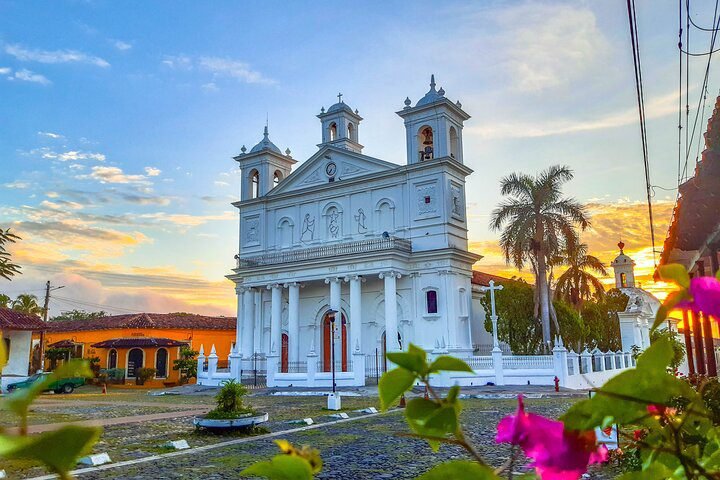
Suchitoto is not a secret – it’s one of El Salvador’s most visited colonial towns. But most tourists stick to the main square and the Santa Lucia Church. The real hidden gems lie just beyond.
Secret spots around the town:
- Los Tercios waterfall: A unique geological formation where volcanic columns create a “stone curtain” effect
- Lake Suchitlán boat tours: Early morning trips reveal incredible birdwatching (herons, kingfishers, cormorants)
- Indigo dyeing workshops: Learn the ancient process of extracting blue dye from local plants
- Centro Arte para la Paz: A community arts center with rotating exhibitions and a peaceful garden
Local culture and traditions: Suchitoto is known as the “City of the Flowering Bird.” The locals are proud of their indigenous heritage and welcoming to respectful visitors.
Best hidden viewpoints: The walkway behind the Santa Lucia Church offers lake views that most tourists miss. For sunrise, head to the mirador near Los Tercios.
For an in-depth guide, see 10 Reasons to Experience Colonial Tourism in Suchitoto. Also explore Magical Towns of El Salvador.
Hidden Gem #9: Perquín
Located in the mountainous Morazán department, Perquín is a small town with outsized historical significance. It was a stronghold during El Salvador’s civil war, and today it offers a window into that turbulent period – alongside stunning mountain scenery.
History and culture: The Museo de la Revolución (Revolution Museum) is housed in a former guerrilla command center. The exhibits are raw and unflinching, with weapons, photographs, and personal accounts.
Scenic landscapes: Perquín sits at 1,200 meters (4,000 feet) elevation. The surrounding hills are covered in pine forests and coffee plantations. Morning fog creates an atmospheric, almost mystical feel.
Local attractions: In addition to the museum, you can visit nearby communities that have developed rural tourism projects. Local guides offer hiking tours to former guerrilla camps.
Getting there: The drive from San Miguel takes about two hours on winding mountain roads. A sedan can manage in dry conditions, but a vehicle with higher clearance is recommended during rainy season.
Hidden Gem #10: San José Las Flores
This small mountain village represents the best of El Salvador’s community-based rural tourism. After the civil war ended, the community rebuilt itself around sustainable tourism principles.
Rural tourism experience: Visitors stay in family-run guesthouses, eat meals prepared with ingredients from local gardens, and learn about traditional farming methods.
Local hospitality: The people of San José Las Flores are incredibly welcoming. Many families remember the war years and will share their stories if you show genuine interest.
Community projects and experiences:
- Coffee cultivation workshops
- Handmade tortilla classes
- Guided hikes to local waterfalls
- Evening storytelling sessions
This is not a luxury destination. It is an authentic, immersive experience that directly benefits a community that has worked hard to overcome adversity.
Hidden Gem #11: Joya de Cerén
Often called the “Pompeii of the Americas,” Joya de Cerén is a UNESCO World Heritage site. Unlike Pompeii, which was buried by volcanic ash from Vesuvius, Joya de Cerén was preserved by ash from the Loma Caldera volcano around 600 AD.
Why it is often overlooked: Many travelers skip Joya de Cerén because they haven’t heard of it, or they assume it’s similar to larger Mayan sites. In fact, it’s completely unique – a pre-Hispanic farming village frozen in time.
UNESCO significance: The site shows how ordinary people lived, not just the elite. Archaeologists have uncovered houses, storehouses, kitchens, a sauna, and even a community building.
What visitors can learn: You’ll see the actual footprints of villagers who fled the eruption, ceramic vessels still sitting where they were left, and crops preserved beneath the ash.
Travel tip: Visit early in the morning or late afternoon to avoid the heat. A guide is included with admission and is well worth the 45-minute tour.
Hidden Gem #12: Cihuatán Archaeological Site
While Joya de Cerén shows daily life, Cihuatán reveals the grandeur of a major pre-Columbian city. At over 3 square kilometers (740 acres), it is El Salvador’s largest archaeological site.
Ancient history: Cihuatán was a significant city-state from 900-1200 AD, with connections to the Toltec civilization. Unlike many Central American sites, it is largely unexcavated, which gives it a mysterious, jungle-covered atmosphere.
What to see:
- The main pyramid (still partially buried)
- A massive ball court
- Residential areas being slowly reclaimed by forest
- An on-site museum with artifacts found during excavations
Travel recommendations: Wear comfortable walking shoes and bring water. There is little shade, so a hat and sunscreen are essential. Allow 1.5-2 hours for your visit.
Why it’s a hidden gem: Most visitors to El Salvador don’t know Cihuatán exists. On a typical day, you might be one of fewer than 20 people exploring this ancient city.
For general attraction information, see Tourist Attractions in El Salvador.
Hidden Gem #13: La Montañona
Cloud forest is rare in Central America. La Montañona, a protected area in Chalatenango, preserves one of El Salvador’s last remaining examples. This is a true hidden gem – you’ll need a local guide to find the best trails.
Hidden hiking paradise: The trails here are not marked or maintained for casual tourists. That’s exactly what makes them special. With a guide, you’ll hike through moss-draped trees, cross small streams, and likely see no other hikers.
Wildlife encounters: La Montañona is home to pumas, ocelots, howler monkeys, and countless bird species. Most animals are elusive, but you’ll hear howler monkeys echoing through the forest.
Best routes and viewpoints: The hike to the cloud forest core takes 3-4 hours round trip. From the highest point, you can see across the entire Chalatenango department and into Honduras on clear days.
Getting there: This is one destination where a 4×4 is genuinely necessary, especially during rainy season. See 4×4 Car Rental El Salvador.
Hidden Gem #14: Río Sumpul
The Sumpul River forms the border between El Salvador and Honduras. In this remote stretch, the river has carved a canyon through the mountains, creating dramatic scenery and natural swimming holes.
Natural beauty: The river is clear and clean, with emerald pools connected by small rapids. Towering cliffs rise on both sides, covered in jungle vegetation.
Adventure opportunities:
- Swimming in natural pools
- Cliff jumping (check depth first)
- Tubing down gentle rapids
- Hiking along the river canyon
Safety and travel tips: This area is remote. Go with a local guide from one of the community tourism organizations. Do not attempt to cross into Honduras without proper documentation.
Best time to visit: December to April, when water levels are safe for swimming. During rainy season, currents become dangerous.
Authentic Experiences Most Tourists Miss
Beyond the hidden gems listed above, some of El Salvador’s best experiences can’t be pinned to a single location.
Visiting local coffee farms: El Salvador produces world-class coffee, but most tourists never see a farm. Small producers in the mountains around Apaneca offer tours that include tasting, picking (in season), and learning about the roasting process.
Exploring traditional markets: The central market in San Salvador is overwhelming but authentic. Better for visitors: the weekend market in Juayúa (on the Ruta de las Flores) or the artisan market in Ilobasco, known for miniature pottery.
Learning about Salvadoran culture: Take a pupusa-making class. Many cooking schools in San Salvador and Suchitoto offer 2-hour classes where you’ll learn to make the dough, prepare fillings, and cook on a traditional comal.
Trying authentic local cuisine: Beyond pupusas, look for yuca frita con chicharrón (fried cassava with pork), sopa de pata (cow foot soup – for the adventurous), and empanadas de plátano (sweet plantain empanadas).
Supporting local communities: Every entrance fee, guide hire, and meal you buy in these hidden gems directly supports families who depend on tourism. Choose locally owned accommodations over international chains.
For complete gastronomic information, visit Gastronomic Tourism in El Salvador, Gastronomic Routes in El Salvador, and Family Restaurants in El Salvador.
For cultural experiences, see The Murals of Concepción de Ataco and Towns on the Flower Route.
Why Renting a Car Is the Best Way to Discover Hidden Gems in El Salvador
Public transportation in El Salvador connects major cities, but it will not take you to Laguna de Alegría’s crater rim, La Montañona’s cloud forest, or Río Sumpul’s swimming holes. For hidden gems, you need your own wheels.
Challenges of public transportation to remote locations: Buses (called “colectivos”) run infrequently to rural areas. Many hidden gems are not served at all. Even when buses exist, you’ll waste hours waiting and transferring.
Benefits of having your own vehicle: You decide when to leave, when to linger, and where to stop for unexpected discoveries. Want to watch the sunset from a beach and then drive to a mountain town for dinner? A rental car makes it possible.
Flexibility and convenience: El Salvador’s roads are in excellent condition by Central American standards. The Pan-American Highway and main routes are well-paved. A standard sedan can reach most of the locations in this guide during dry season.
Safety and comfort: Private transportation is safer than public buses, especially at night. You control your environment, your belongings, and your schedule.
No deposit required with modern car rental platforms. Traditional agencies may freeze $1,000 or more on your credit card as a security deposit. Innovative platforms like Carvi have eliminated this barrier.
For a complete guide to choosing the right vehicle, see Car Rental Models – Complete Guide for 2026. For rentals in the capital, visit Car Rental San Salvador. For rentals without a credit card, see Car Rental Without a Credit Card. For no-deposit options, see Car Rental Without Deposit. For theft protection, see Theft Insurance for Car Rentals.
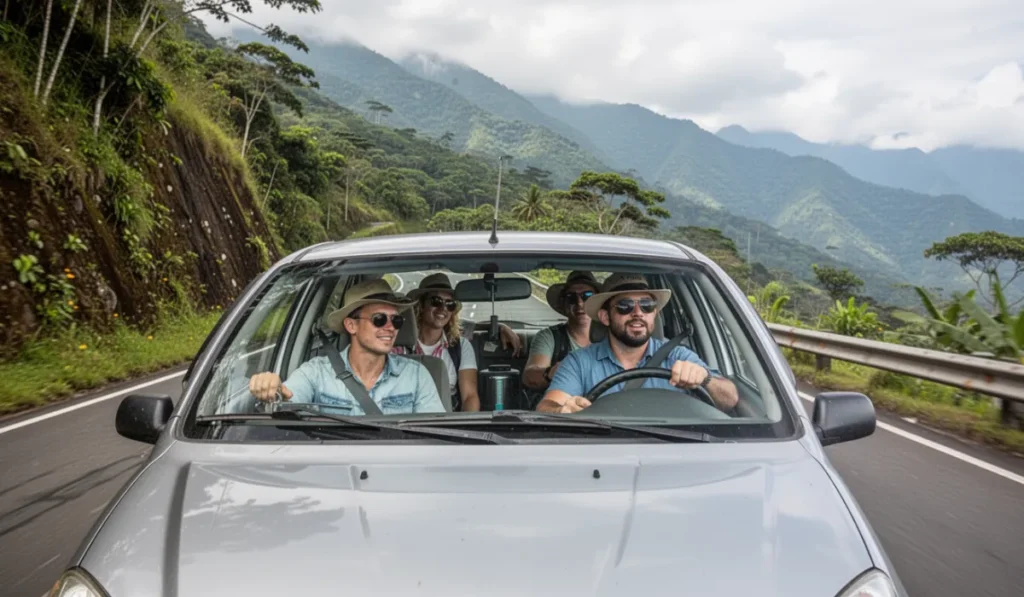
Explore Hidden Gems with Carvi
Traditional car rental means waiting in line, signing paperwork, and watching your credit card get hit with a massive deposit. Carvi has changed that.
Carvi operates like the “Airbnb of cars” – a peer-to-peer platform connecting travelers directly with local vehicle owners. The entire process happens online, often in under 5 minutes.
What makes Carvi different:
- No deposit required – Your credit card isn’t frozen with thousands of dollars
- Insurance included – All necessary coverage is part of the price
- Airport delivery available – Your car meets you at the arrivals gate
- Unlimited mileage options – Drive as much as you want between hidden gems
- Easy online booking – Upload your license, pay, and confirm
- Local customer support – Real people help you in Spanish or English
- No credit card? No problem – Debit cards accepted
The price you see is the final price. No surprise fees, no upsells, no hidden charges.
👉 Ready to explore El Salvador’s hidden gems?
Book your vehicle today:
https://renta.carviapp.com/?ref=hebert-13D1AC
7-Day Hidden Gems Road Trip Itinerary
This route connects 10 of the hidden gems listed above into one unforgettable week.
Day 1: San Salvador to Suchitoto
Arrive at San Salvador International Airport (SAL). Pick up your Carvi rental car. Drive 1 hour to Suchitoto. Afternoon exploring colonial streets and Los Tercios waterfall. Overnight in Suchitoto.
See: Colonial Tourism in Suchitoto
Day 2: Suchitoto to Alegría
Morning boat tour on Lake Suchitlán. Drive 2 hours to Alegría. Afternoon hike to Laguna de Alegría. Overnight near Alegría.
Day 3: Alegría to Moncagua
Morning coffee farm tour near Alegría. Drive 1.5 hours to Moncagua. Afternoon soaking in the natural hot springs. Overnight near San Miguel.
Nearby: Lake Coatepeque
Day 4: Moncagua to Perquín
Morning exploring San Miguel. Drive 2 hours to Perquín. Afternoon at the Museo de la Revolución. Overnight in Perquín.
See: Tourism in San Miguel
Day 5: Perquín to Río Sumpul
Morning drive to Río Sumpul (2 hours). Afternoon swimming and hiking with a local guide. Overnight in community-run guesthouse near the river.
Day 6: Río Sumpul to La Montañona
Morning drive to Chalatenango (3 hours). Afternoon guided cloud forest hike. Overnight near La Montañona.
Day 7: La Montañona to Pacific Coast
Drive to La Costa del Sol or Mizata (3-4 hours). Final afternoon of beach relaxation before returning to the airport.
Frequently Asked Questions
Are hidden gems in El Salvador safe to visit?
Yes. El Salvador’s security situation has improved dramatically. The Level 1 travel advisory from the U.S. State Department (early 2026) confirms this. As with any destination, exercise normal precautions: don’t flash valuables, avoid walking alone at night in unfamiliar areas, and stay on marked trails. For more details, see Safe Tourism in El Salvador.
What is the best time to visit?
November through April (dry season) offers the best road conditions and reliable weather for both mountains and beaches. May to October (green season) brings fewer tourists and lush landscapes, but some rural roads may become muddy.
Do I need a rental car?
For the hidden gems in this guide, yes. Public transportation does not reach most of these locations. A rental car gives you the freedom to explore at your own pace. See Car Rental El Salvador.
How many days should I spend exploring?
A minimum of 5 days to see 5-6 hidden gems. The 7-day itinerary above covers 10 locations comfortably. Two weeks would allow you to visit all 15.
Which hidden gem is best for nature lovers?
La Montañona cloud forest or Walter Thilo Deininger National Park. Both offer excellent wildlife viewing and hiking.
Which hidden gem is best for photographers?
Laguna de Alegría (volcanic crater lake) and Los Tercios waterfall in Suchitoto (geometric basalt columns). Sunrise at the crater lake is extraordinary.
Do I need a 4×4?
Not for most locations during dry season. A standard sedan reaches 12 of the 15 hidden gems. For La Montañona and Río Sumpul during rainy season, higher clearance is recommended. See 4×4 Car Rental.
Conclusion
El Salvador is no longer Central America’s best-kept secret. Travelers are discovering its volcanoes, beaches, colonial towns, and ancient ruins in record numbers. But the true magic of this small country still lies off the main roads – in crater lakes where sulfur turns water emerald green, in cloud forests where howler monkeys echo through the mist, in rivers that carve canyons between nations.
The 15 hidden gems in El Salvador shared in this guide represent the best of what awaits travelers willing to go beyond the typical tourist trail. Each one offers something unique: authenticity, solitude, natural beauty, and connections with local communities who welcome visitors with genuine warmth.

Your adventure begins with a simple decision: follow the crowds or find your own path.
With a rental car from Carvi, you have the freedom to choose the road less traveled. No deposits. No lines. No hidden fees. Just you, the open road, and 15 hidden gems waiting to be discovered.
🚗 Ready for your adventure?
Book your car with Carvi today and explore El Salvador without limits:
👉 https://renta.carviapp.com/?ref=hebert-13D1AC
🌎 Discover the real El Salvador.
📍 Go beyond the tourist hotspots.
✨ Find hidden gems that most travelers never see.
For general car rental information: Car Rental El Salvador
For pickup in the capital: Car Rental San Salvador
For complete travel guides: Tours in El Salvador
Share this content:


Post Comment