
The Definitive Guide to Volcanic Tourism in El Salvador
- 👉 Book your car with Carvi and start planning your volcano adventure
- Must-Visit Volcanoes in 2026
- Difficulty Level and Type of Experience by Volcano
- Updated Costs and Access Logistics
- Guides, Safety, and Essential Recommendations
- What to Pack in Your Backpack (2026 Checklist)
- Best Time to Visit the Volcanoes
- Combination with Other Tourist Attractions
- National Context: Security and Tourism Transformation
- Organized Tour Options and Certified Guides
- Frequently Asked Questions (2026 FAQ)
- Your Volcanic Adventure in El Salvador Awaits You
Volcano tourism in El Salvador has established itself as one of the most authentic and exciting adventure experiences you can have in Central America. Known as “The Land of Volcanoes,” this country offers you the extraordinary opportunity to walk on smoking craters, admire turquoise lakes at the summit of its giants, and behold breathtaking landscapes. If you are looking for a complete guide, updated for 2026, with all the practical information to plan your trip, you’ve come to the right place. In this post, we tell you everything you need to know to safely explore the impressive volcanoes of El Salvador.
Explore El Salvador’s volcanoes with total freedom
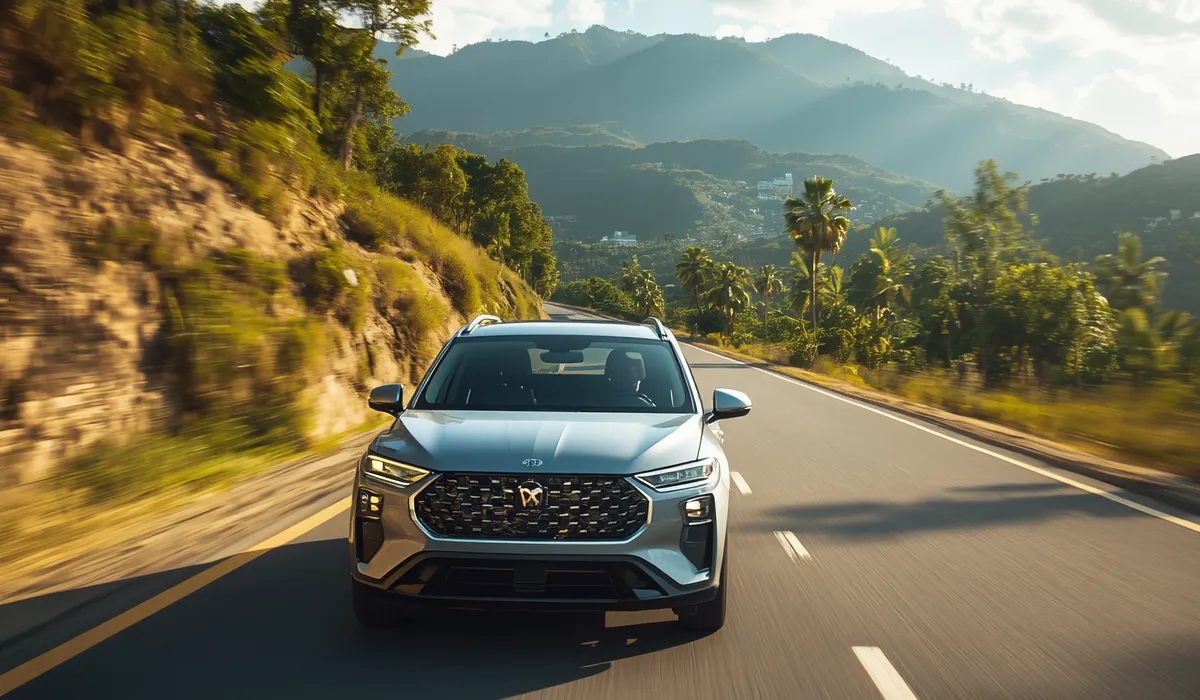
To truly experience volcanic tourism in El Salvador, mobility is key. Many of the country’s most impressive volcanoes are located outside major cities, making transportation planning essential. A convenient option is renting a car in advance so you can travel at your own pace. With Carvi, you can book your vehicle 100% online, with insurance included, no hidden fees, and 24/7 roadside assistance — perfect for designing your own volcano route across the country.
👉 Book your car with Carvi and start planning your volcano adventure
Must-Visit Volcanoes in 2026
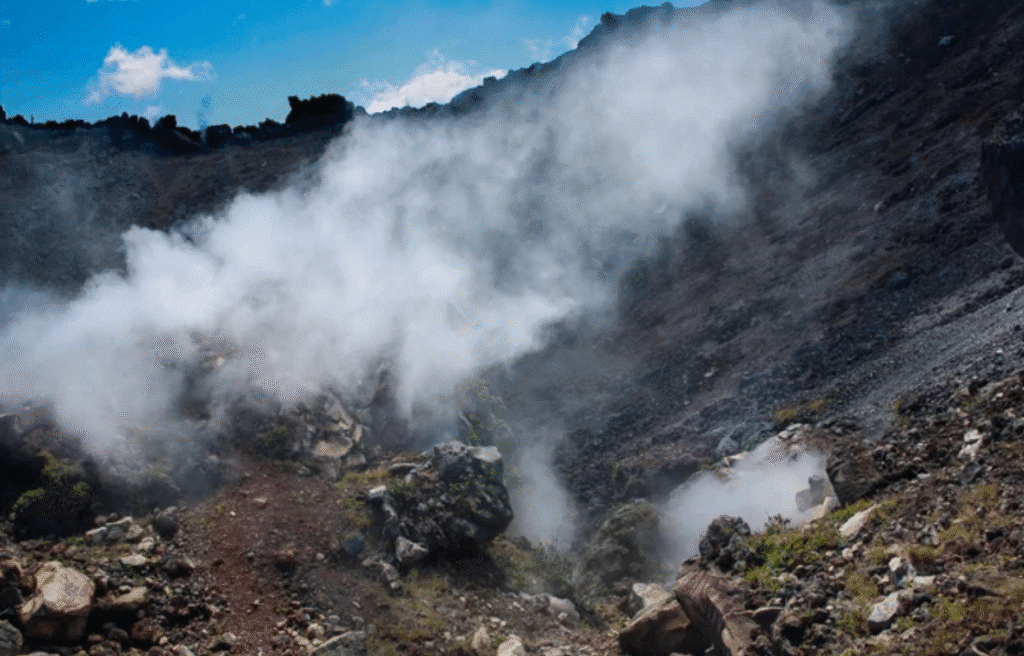
The heart of volcano tourism in El Salvador beats in its imposing colossi. Each one offers a different experience, from challenging hikes to easily accessible viewpoints.
- Ilamatepec Volcano (Santa Ana): The tallest volcano in the country (2,381 meters above sea level) is one of the jewels of volcano tourism in El Salvador. Its reward is a 1.5 km wide crater with a vibrant turquoise-colored sulfuric lake. The hike is of moderate difficulty, and from the top, the views of Lake Coatepeque are simply spectacular.
- Izalco Volcano: Nicknamed the “Pacific’s Lighthouse” due to its constant eruptions seen from the ocean in the past, Izalco is an almost perfect cone of black sand. Its ascent, although short, is steep and demanding. It is part of the Los Volcanes complex and is often combined with a visit to Cerro Verde and Santa Ana.
- El Boquerón (San Salvador Volcano): Ideal for those seeking a volcano tourism experience in El Salvador near the capital. El Boquerón features a huge crater 1.5 km in diameter and, inside, a small cone called “Boqueroncito.” The hike is family-friendly and of low difficulty, perfect for a day trip.
- Conchagua Volcano (The Pyramid): Located in the east of the country, in La Unión, it offers one of the most impressive panoramic views of the Gulf of Fonseca. It is a privileged destination for sunset watching and camping under the stars, a more serene facet of volcano tourism in El Salvador.
Difficulty Level and Type of Experience by Volcano
Choosing the right volcano according to your physical condition is key to enjoying volcano tourism in El Salvador.
| Volcano | Difficulty Level | Approximate Duration (Round Trip) | Type of Experience |
|---|---|---|---|
| El Boquerón | Low | 1.5 – 2 hours | Family-friendly hike, crater viewpoint. |
| Ilamatepec Volcano (Santa Ana) | Moderate | 3 – 4 hours | Challenging ascent, turquoise crater lake, panoramic views. |
| Izalco Volcano | High | 2 – 3 hours | Steep ascent on black sand, young volcanic cone. |
| Conchagua Volcano | Moderate | 2 – 3 hours | Hiking, spectacular viewpoint, ideal for sunsets and camping. |
Updated Costs and Access Logistics
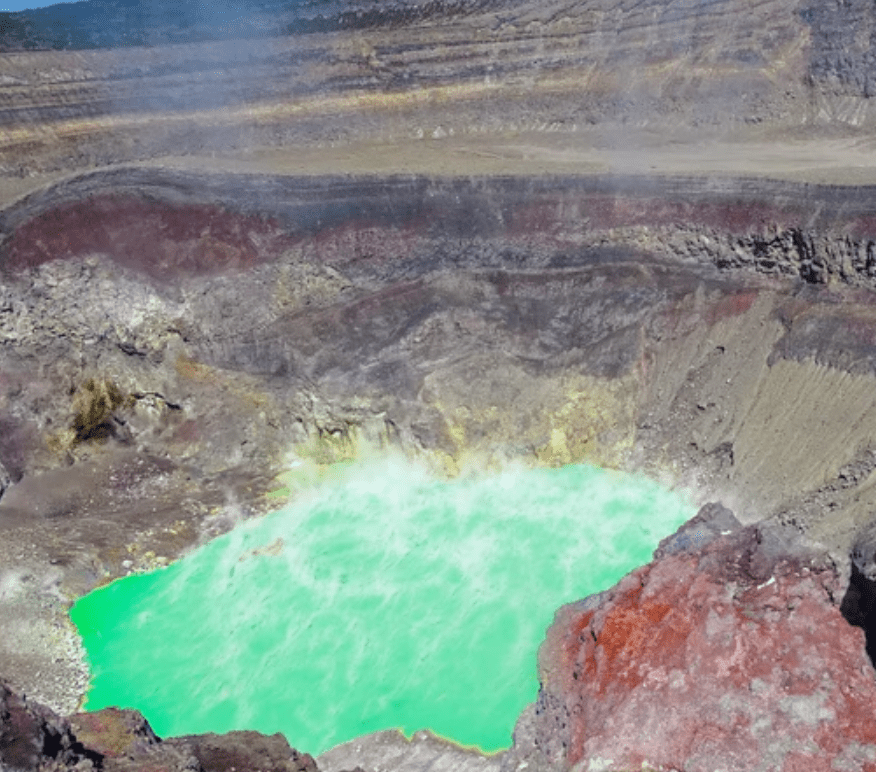
Planning your budget is essential for volcano tourism in El Salvador. Below are reference costs for 2026 (subject to change):
- Los Volcanes National Park (Cerro Verde): Access to this park, which is the gateway to climbing Santa Ana and Izalco, has an entrance fee of $3.00 for foreigners.
- Mandatory Guides: For the ascents to Santa Ana and Izalco, hiring a local guide is mandatory for safety reasons. The cost is around $5-$10 per person in a group. At El Boquerón, although it is possible to climb without a guide, hiring one at the entrance for $1-$2 is recommended to support the local economy and enrich the experience.
- Transportation: Getting to the national parks by public transport is economical but slow. For greater comfort and flexibility, an excellent option is to rent a car. Local companies like Carvi offer reliable rental services, allowing you to create your own volcano tourism route in El Salvador at your own pace and visit several volcanoes on the same trip.
🚗 Recommended Transportation: Rent a Car for Maximum Flexibility
While public transportation is available in some areas, it may not align with early hiking schedules or remote trail access. Renting a car allows you to reach trailheads early, combine multiple destinations in one day, and explore hidden viewpoints safely.
Carvi offers modern vehicles with mandatory insurance included, unlimited mileage, and no deposit required — making it one of the most convenient ways to explore El Salvador’s volcanic landscapes.
👉 Check availability and reserve your vehicle here
Guides, Safety, and Essential Recommendations
Safety is the top priority in volcano tourism in El Salvador. Always follow these recommendations:
- Local Guides: Hiring guides is not just a rule; it’s a smart decision. They know the trails, the variable weather conditions, and ensure a safe experience while enriching the journey with their knowledge.
- National Security: The country has undergone a remarkable transformation in terms of security, now being one of the safest in Latin America for tourists. Even so, it is recommended to apply common sense: do not travel at night in unknown areas and leave valuables in a safe place.
- On the Trail: Hydrate constantly, use sunscreen and insect repellent. Stay on the marked trails and always follow your guide’s instructions.
What to Pack in Your Backpack (2026 Checklist)
To fully enjoy your volcano tourism adventure in El Salvador, pack wisely:
- Footwear: Hiking shoes or sneakers with non-slip soles are ESSENTIAL.
- Hydration and Protection: Minimum 1.5 liters of water per person, sunscreen, and a cap or hat.
- Clothing: Comfortable, light clothing, a windbreaker jacket for the summit, and an extra shirt.
- Extras: Cash in small bills (for entrance fees, guides, and local purchases), a comfortable backpack, a camera, and energy snacks (granola bars, nuts).
Best Time to Visit the Volcanoes
The season defines your volcano tourism experience in El Salvador.
- Dry Season (November – April): This is the ideal time. The days are sunny, the trails are dry, and the visibility from the summits is perfect. It is the most crowded season.
- Green Season (May – October): Frequent rains, but generally in the afternoons. The landscapes are greener and more vibrant. There are fewer people and the atmosphere is cooler. Always start your hikes in the morning to avoid afternoon downpours.
Combination with Other Tourist Attractions
Volcano tourism in El Salvador can be combined with other incredible destinations:
- Lake Coatepeque: After climbing Santa Ana, relax in this volcanic caldera with blue waters, considered one of the most beautiful lakes in the world. Ideal for swimming, kayaking, or enjoying lunch with a view.
- Ruta de las Flores: A charming succession of coffee towns (like Juayúa and Ataco) near Cerro Verde. Perfect for combining nature, gastronomy, and local art.
- Gulf of Fonseca Beaches: If you visit Conchagua Volcano, complement your trip with a visit to the calm beaches of the east, like Las Tunas.
National Context: Security and Tourism Transformation
It is impossible to talk about volcano tourism in El Salvador without mentioning the radical change in security. The implemented policies have turned the country into a success story worldwide, achieving a drastic reduction in crime rates. This new environment of peace and tranquility is the catalyst that has boosted the current tourism boom, allowing travelers from all over the world to explore its natural wonders, including its volcanoes, with renewed confidence. Projects like “Surf City” have boosted infrastructure, improving roads and services for visitors.
If you’re planning to combine volcano hikes with destinations like Lake Coatepeque, Ruta de las Flores, or the Pacific coastline, having your own transportation significantly enhances your experience. With Carvi, you avoid long waits, restrictive schedules, and complicated transfers — giving you full control of your itinerary.
📌 Plan your complete volcano road trip with Carvi
Organized Tour Options and Certified Guides
If you prefer not to worry about logistics, organized tours are an excellent option for volcano tourism in El Salvador.
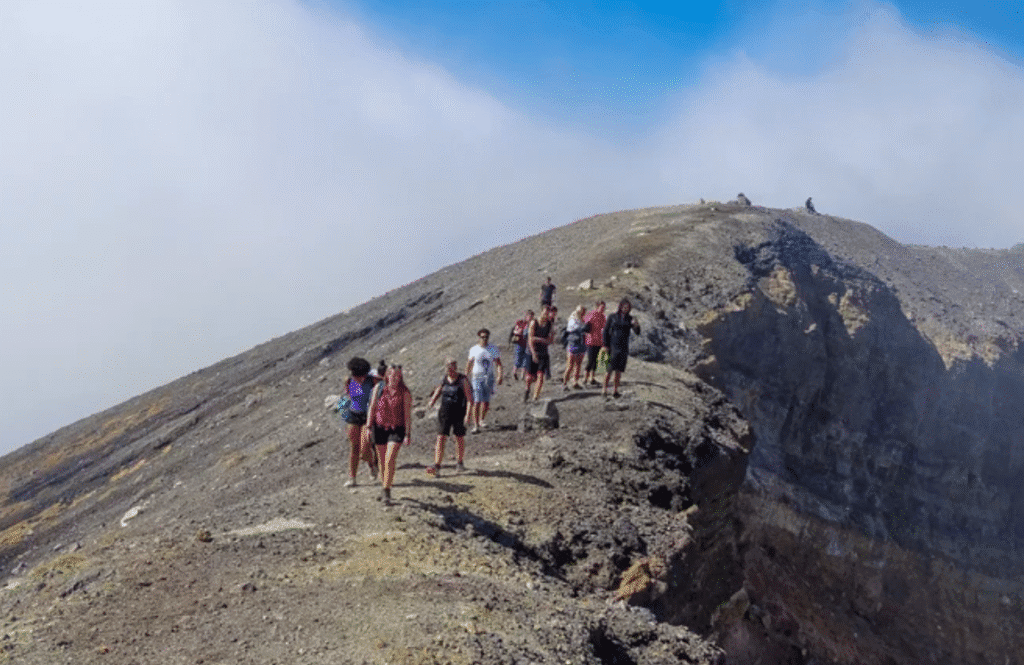
- Advantages: They include round-trip transportation from your hotel, a certified guide, entrance fees, and sometimes basic equipment. It is the simplest and safest way.
- Where to Book: You can book with local adventure tourism agencies, many of them with an online presence and excellent reviews. Ask at your hotel’s reception, as they often work with trusted operators.
Frequently Asked Questions (2026 FAQ)
1. Can I climb a volcano without a guide?
On volcanoes like Santa Ana and Izalco, it is mandatory. On others like El Boquerón, it is possible but not recommended. A guide guarantees your safety and enriches the experience.
2. Is it safe for solo travelers?
Yes, volcano tourism in El Salvador is safe for solo travelers. However, it is always safer and more enriching to join a group or hire a guide.
3. Which volcano is most recommended for families with children?
El Boquerón, due to its short duration, low difficulty level, and well-defined trail, is the ideal option for families.
4. Do I need a 4×4 vehicle to get there?
It is not necessary to reach the main parks like Cerro Verde or El Boquerón. The access roads are in good condition. A sedan car is sufficient, although a vehicle with higher clearance can give you more versatility to explore other remote places.
Your Volcanic Adventure in El Salvador Awaits You
Volcano tourism in El Salvador is much more than a passing trend; it is a deep immersion into the geological heart of a vibrant and transforming country. From the summit of the majestic Santa Ana, contemplating its turquoise lake, to the ascent up the black sands of Izalco or the tranquil sunset from Conchagua, each volcano offers a unique story and an unforgettable experience.
As you have seen in this guide, planning this adventure in 2026 is easier and safer than ever. With updated information, clear logistics, and essential safety recommendations, you have everything you need to take the next step. El Salvador has consolidated its position as a top-tier adventure destination, where the warmth of its people combines with awe-inspiring landscapes.
So pack your backpack, choose your route, and get ready to create memories that will last a lifetime. The most impressive volcanic landscape in Central America awaits you.
Ready to explore El Salvador’s volcanoes?
From sunrise hikes to crater views and scenic drives, volcanic tourism in El Salvador offers unforgettable adventures. Make the most of your trip by securing reliable transportation in advance. With Carvi, you can reserve your vehicle online in minutes and start your journey stress-free from the moment you land.
🔥 Reserve your car now and design your own volcano adventure
Share this content:

Post Comment