
Tourism for Salvadorans Abroad: Complete Guide to Traveling and Enjoying El Salvador
- 👉 Book your car before arriving and travel El Salvador with total freedom.
- What is Tourism for Salvadorans Abroad and Why is it Growing?
- Top Tourist Destinations for Salvadorans Living Outside the Country
- How to Plan a Trip from Abroad to El Salvador
- Documents and Requirements for Salvadorans Traveling from Abroad
- Best Time of Year to Travel to El Salvador from Abroad
- 🚗 Why Booking Your Car in Advance Makes a Difference
- Flights and How to Find Cheap Tickets for Salvadorans Abroad
- Recommended Accommodation for Salvadorans Returning for a Visit
- Transportation and Mobility in El Salvador for Salvadorans Coming from Abroad
- Unmissable Tourist Experiences for Salvadorans Living Abroad
- Tips for Saving Money While Touring from Abroad
- Traveling with Family: Tourism for Salvadorans with Children Born Abroad
- Safety, Health, and Recommendations for Enjoying El Salvador Worry-Free
- Services and Platforms that Facilitate Tourism for Salvadorans Abroad
- Frequently Asked Questions About Tourism for Salvadorans Abroad
- Conclusion
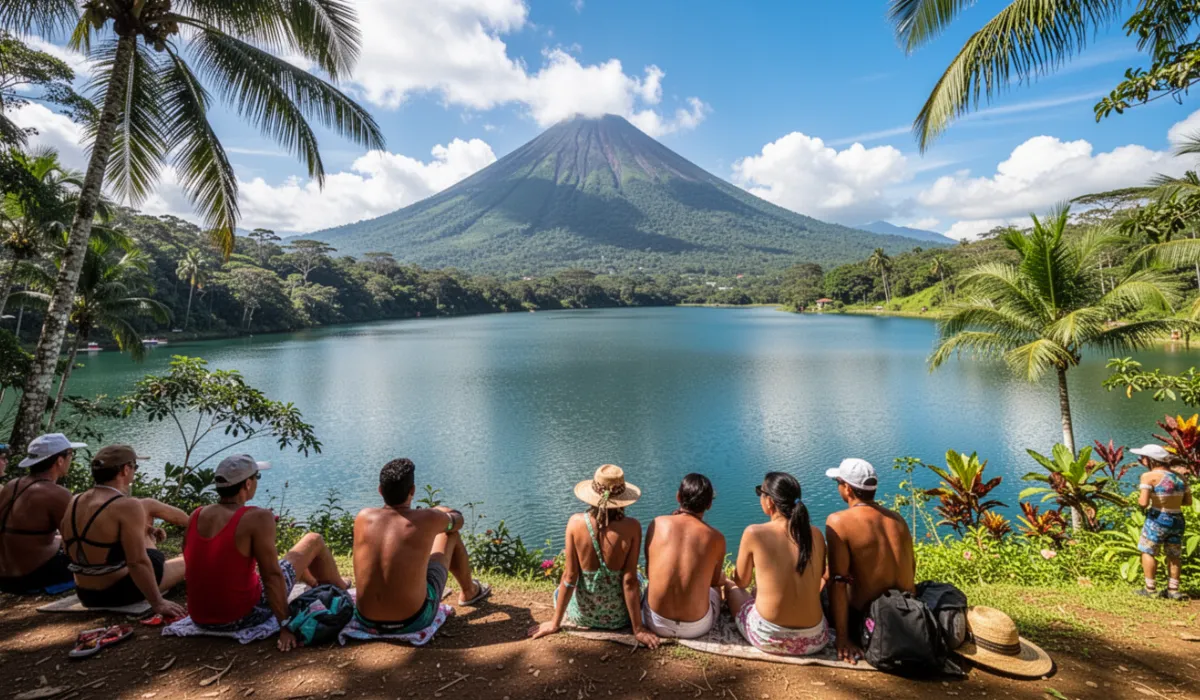
For thousands of Salvadorans living beyond their country’s borders, the journey back is much more than a vacation; it is a reunion with their essence, a ritual to reconnect with the roots, family, and landscapes that shaped their identity. This tourism for Salvadorans abroad is a growing phenomenon, driven by nostalgia and renewed national pride. Each year, thousands return not only to embrace their loved ones but also to rediscover a country that has transformed its tourism offerings, becoming a more accessible, safe, and experience-rich destination.
For Salvadorans visiting from abroad, having reliable transportation can completely transform the travel experience. Instead of depending on limited schedules or costly last-minute rentals, platforms like Carvi allow you to book a car online in just minutes — without paperwork or high security deposits. With flexible delivery options at the airport, your hotel, or another location of your choice, it’s a convenient way to start your trip stress-free.
👉 Book your car before arriving and travel El Salvador with total freedom.
What is Tourism for Salvadorans Abroad and Why is it Growing?
This type of tourism refers to trips made by Salvadorans residing abroad—primarily in the United States, Canada, and Europe—back to their country of origin. Their motivations are deeply emotional: family vacations, end-of-year celebrations, patron saint festivals, and an intrinsic desire to show new generations their cultural heritage.
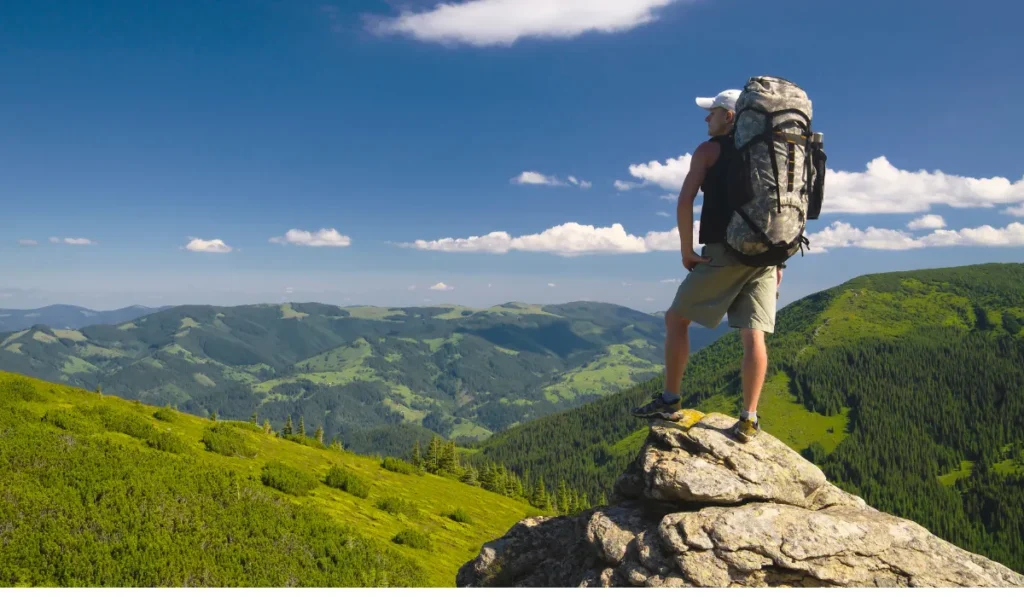
Data confirms its rise. In the first six months of 2025, El Salvador surpassed two million international visitors, approaching a historic annual goal. This growth is facilitated by factors such as improved air connectivity—with new routes from cities with high Salvadoran population density—and a perception of security that has encouraged internal exploration. For the diaspora, returning is no longer just about remembering, but also about sharing; more than 80% stay informed, and many document their trips on social media, creating a digital bridge with their community abroad.
Top Tourist Destinations for Salvadorans Living Outside the Country
The itineraries of the diaspora reflect a search for nostalgia, natural beauty, and culture. A study by the Escuela Mónica Herrera details the most visited places:
- Beaches (Visited by 90.1%): The coast is the undisputed destination. El Tunco, El Zonte, La Libertad, and Costa del Sol are synonymous with family gatherings, surfing, and unforgettable sunsets.
- Mountains (Visited by 50.8%): The cool climate and green landscapes offer a perfect contrast. Apaneca, Cerro Verde, Alegría, and Perquín are ideal for disconnecting and enjoying nature.
- Town of Origin (Visited by 49.6%): This trip is almost sacred. Returning to the childhood home, greeting neighbors, and visiting the local bakery is reconnecting with personal history.
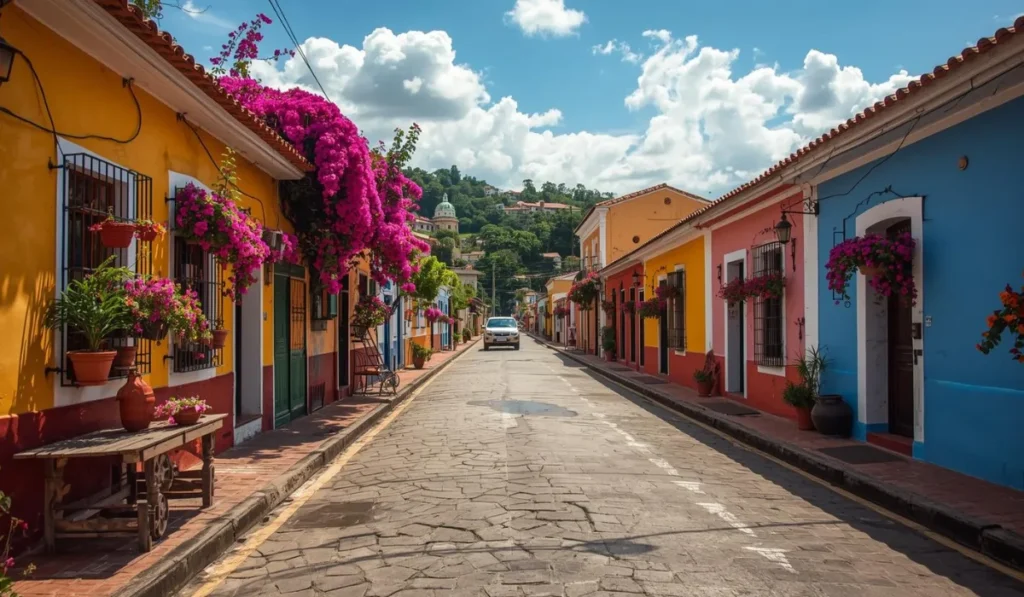
- Historic Center of San Salvador (Visited by 42%): The renovation of this sector has made it a point of interest. Walking through Plaza Libertad, admiring the National Theatre and the Metropolitan Cathedral, or visiting the modern National Library (BINAES) is a new civic and cultural experience for many.
If you have a bullet list of options, add this as a highlighted option:
- Carvi – 100% digital car rental: Perfect for travelers who want independence and flexibility. Reserve online before your trip and have your vehicle ready upon arrival, with insurance included and no hidden surprises.
📍 Secure your vehicle in advance and avoid airport lines.
How to Plan a Trip from Abroad to El Salvador
The key to a successful trip is meticulous and early planning.
- Define the Purpose and Budget: Is it a family trip, a celebration, or a tourist tour? Establish a realistic budget that includes flights, accommodation, food, internal transportation, and unexpected expenses.
- Organize Your Time: If your stay is short (1-2 weeks), prioritize 2-3 destinations to avoid an overloaded itinerary. For longer stays, you can explore entire regions like the Ruta de las Flores or the coast.
- Make Reservations in Advance: This applies especially during high seasons (December-January, Easter Week, August). Booking flights and hotels months in advance can lead to significant savings.
Documents and Requirements for Salvadorans Traveling from Abroad
- Main Document: Your valid Salvadoran passport is the ideal document for entering the country. Ensure it is valid for at least 6 months from your travel date.
- Identity Document: Carrying your DUI (Documento Único de Identidad) is very useful for internal procedures.
- External Immigration Status: It is crucial to travel with the document proving your legal status in your country of residence (e.g., Green Card, resident visa, passport from your host country). Airlines verify this before boarding.
- Requirements for Minors: If traveling with children born abroad, they must have a valid passport. If traveling with only one parent, it is recommended to carry a notarized authorization from the other parent.
Best Time of Year to Travel to El Salvador from Abroad
- Dry Season (November – April): This is the best time to visit. Days are sunny with very little rain, ideal for beaches, mountains, and urban tours. It is high season, especially in December and Easter Week, so prices are higher.
- Green Season (May – October): It rains in the afternoons, but mornings are usually clear. The country is lush and prices are lower. It is an excellent option if you want to save money and don’t mind occasional rain.
- Special Dates: Consider traveling during cultural festivals, such as the patron saint festivals of towns (e.g., the Festival del Cristo Negro in Juayúa in January) or the National Day of the Ruta de las Flores (first Sunday of October), for an authentic experience.

🚗 Why Booking Your Car in Advance Makes a Difference
One of the smartest decisions you can make before traveling to El Salvador is arranging your transportation ahead of time. Carvi offers a modern, fully digital booking experience that lets you select your vehicle, confirm your reservation, and coordinate delivery in just a few clicks.
This is especially helpful during peak seasons when vehicle availability becomes limited.
Key Benefits (bullet points improve readability + SEO):
- No large deposits required
- Quick online reservation process
- Airport or hotel delivery options
- Mandatory insurance included
- Direct assistance via WhatsApp
👉 Start your trip the right way — reserve your vehicle now and explore El Salvador at your own pace.
Flights and How to Find Cheap Tickets for Salvadorans Abroad
- Airlines: The main ones are Avianca, United Airlines, American Airlines, Copa Airlines, and Volaris. The latter, for example, has opened direct routes from Newark, New Jersey, facilitating access from areas with high Salvadoran density.
- Money-Saving Tips:
- Buy in Advance: Ideally, 2 to 3 months ahead for international flights.
- Date Flexibility: Using the calendar search on airline or aggregator websites can show the cheapest days to fly.
- Price Alerts: Set up price alerts on flight search engines to receive notifications when prices drop for your desired route.
- Fly in Low Season: Prices are usually lower between February and May (excluding Easter Week) and from September to November.
Recommended Accommodation for Salvadorans Returning for a Visit
The choice depends on the type of experience you seek:
| Type of Accommodation | Advantages | Ideal For |
|---|---|---|
| Hotels | Full services, security, standard comfort. | Families, travelers seeking convenience, short city stays. |
| Airbnb / Vacation Rentals | Space, privacy, kitchen for preparing family meals. | Large groups, extended families, long stays. |
| Family Lodging | Minimal cost, deep emotional connection. | Those who prioritize family reunion over hotel comfort. |
Transportation and Mobility in El Salvador for Salvadorans Coming from Abroad
Getting around safely and comfortably is essential to enjoying the trip.
Available Transportation Options
- Public Transportation (Buses): It is economical and authentic but can be slow and impractical for families with luggage or tight schedules.
- Car Rental: Offers total freedom. Requires a valid driver’s license (an international one is recommended) and careful adaptation to local driving.
- Private Driver Transportation: The safest, most comfortable, and efficient option. Ideal for maximizing time, especially for visits to multiple destinations or family trips.
Mobility Services Designed for Salvadorans Abroad
Hiring a reliable transportation service before arriving eliminates a major worry. Platforms like Carvi allow Salvadorans living abroad to manage their mobility in El Salvador in advance, facilitating movement during their stay and optimizing travel time. You can book transfers to/from the airport, as well as services by the hour or full days, with professional drivers who know the routes.
🔗 Learn more and book in advance at: carviapp
Unmissable Tourist Experiences for Salvadorans Living Abroad
Beyond destinations, what endures are the experiences. Here are some that connect with identity:
- Gastronomic Tourism: Gastronomy represents 36% of tourist spending in El Salvador. It is your direct bridge to the flavors of your homeland.
- Salvadoran Fine Dining: The culinary scene in San Salvador has flourished. Restaurants like La Oveja Negra, Donde Mikel, or Kemuri offer gourmet experiences that reinterpret local flavors with modern techniques. You can explore and make reservations on platforms like OpenTable.
- Gastronomic Fairs: An absolute must. The Juayúa Fair, every weekend, is a festival of flavors with grilled meats, traditional soups, and desserts. The National Day of the Ruta de las Flores (October 5, 2025) takes this experience to its peak with music, parades, and food stalls in Ataco, Ahuachapán, and Apaneca.
- The Pupusa Ritual: Cannot be missed. From a neighborhood pupusería to iconic establishments, this dish is a ceremony of reconnection.
- Cultural Roots Tourism:
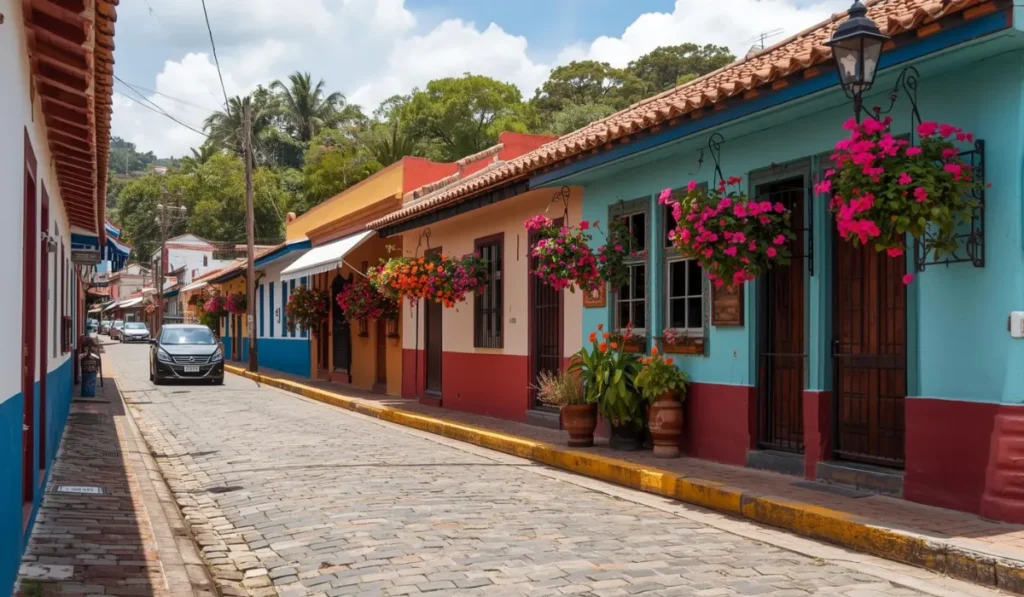
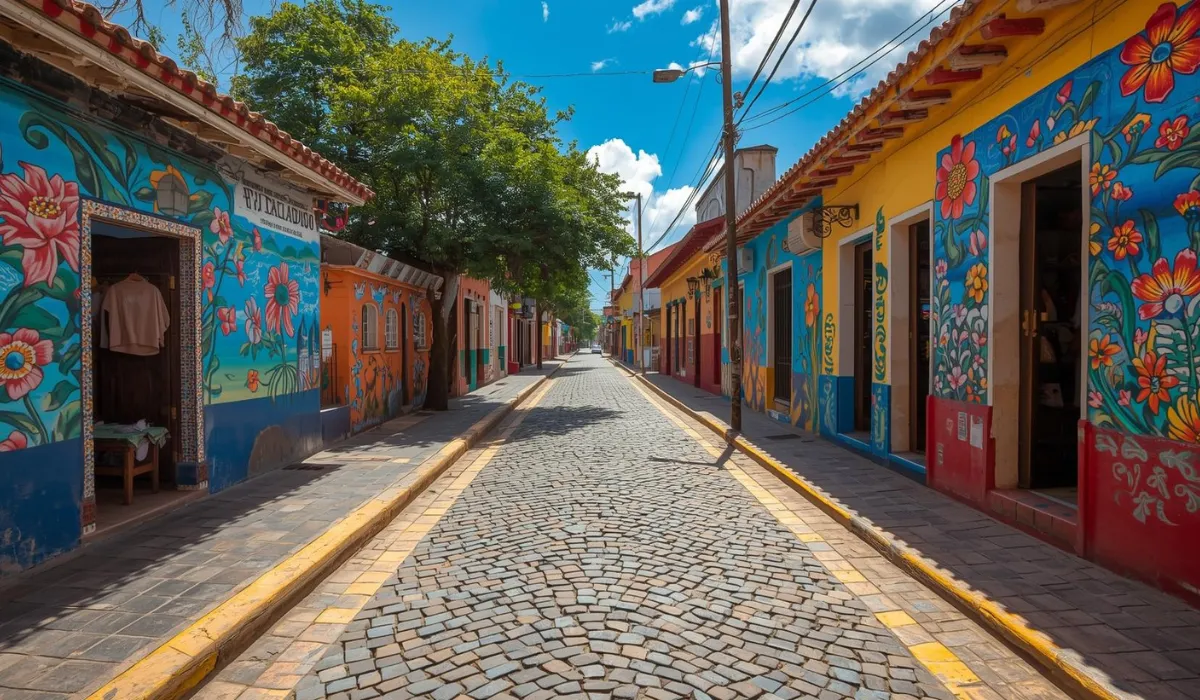
- Ruta de las Flores: More than a destination, it is an experience. Exploring Juayúa, Ataco, and Apaneca involves admiring colorful murals, buying handicrafts, tasting high-altitude coffee, and, if time allows, hiking the Seven Waterfalls trail.
- Historic Center of San Salvador: A walk to rediscover the capital. Visiting the El Rosario Church, the National Palace, and the new museums offers a renewed perspective of the country.
Tips for Saving Money While Touring from Abroad
- Travel in Low Season: This is the golden rule for saving on flights and accommodation.
- Group Destinations by Region: Minimizes transportation costs and time. For example, explore the La Libertad coast (El Tunco, El Zonte) in one trip, or dedicate several days to the Ruta de las Flores.
- Balance Your Food Budget: Enjoy gourmet restaurants, but also eat at local markets, diners, or food fairs, where the quality-price ratio is excellent.
- Use Digital Services: Compare hotel and tour prices online. For transportation, booking a private service by the day can be more economical than renting a car if you consider gas, parking, and tolls.
💡 Pro Tip: Car rentals can become limited and more expensive during holidays and high season. Booking early through a digital platform like Carvi helps secure better availability and transparent pricing before you even land in El Salvador.
Traveling with Family: Tourism for Salvadorans with Children Born Abroad
This trip is a living heritage for your children. To make it positive:
- Combine Activities: Alternate cultural visits (museums, towns) with leisure moments (beach, pools, zoos).
- Involve Them in the History: Take them to the town of origin, explain family anecdotes, and show them where you grew up. This gives a powerful emotional context to the trip.
- Prioritize Comfort and Safety: Choose family-friendly accommodations and opt for private transportation. Comfort reduces stress and allows everyone to enjoy more.
- Gradual Food Introductions: Introduce younger children to local cuisine with mild dishes, like cheese or bean pupusas, before exploring stronger flavors.
Safety, Health, and Recommendations for Enjoying El Salvador Worry-Free
- Recommended Areas: The main tourist areas (popular beaches, Ruta de las Flores, renovated historic center) are generally safe. As in any destination, use common sense: avoid isolated areas at night and maintain a discreet profile.
- Travel Insurance: Purchase international travel medical insurance. Although there are good private health services, insurance covers unforeseen events and gives you peace of mind.
- Health: Consult your doctor about routine vaccines. Use mosquito repellent. Drink bottled water and enjoy food in places with good hygiene.
- General Advice: Carry cash in U.S. dollars. Although credit cards are accepted in many places, markets, fairs, and public transportation mainly operate with cash.
Services and Platforms that Facilitate Tourism for Salvadorans Abroad
Useful Digital Tools
- For Restaurant Reservations: OpenTable is useful for booking at high-end restaurants in San Salvador.
- For Navigation and Maps: Google Maps or Waze work well for orientation.
- For Cultural Information: Official tourist sites and specialized blogs offer updated information on events and destinations.
Carvi: A Practical Solution to Move Around Freely
For the diaspora, transportation logistics can be a challenge. Carvi is a technological solution designed precisely for this. It allows you to book a car with a trusted driver before your arrival, ensuring your mobility is sorted from the moment you land. It is especially useful for:
- Families with children or elderly adults.
- Groups of friends who want to travel together.
- Those who prefer not to drive on unfamiliar roads.
- Anyone who values their time and wants a stress-free travel experience.
Frequently Asked Questions About Tourism for Salvadorans Abroad
Do I need a Salvadoran passport to enter El Salvador?
Yes, it is the ideal document. If it is expired, manage its renewal at the nearest consulate before traveling. You can also enter with your DUI if traveling by land from Central American countries, but a passport is mandatory for international flights.
Is it safe to travel to El Salvador?
The security situation has improved notably in recent years, especially in tourist areas. It is recommended to take the normal precautions of any traveler: be aware in crowded places, avoid conspicuously displaying valuables, and prefer private transportation or app services at night.
How much does an average trip cost?
It varies enormously. A two-week trip for one person can range from $1,500 to $3,000 USD, depending on the season, type of accommodation, frequency of eating out, and activities. Traveling with family increases the cost, but planning ahead helps control it.
Is it advisable to rent a car?
It depends on your comfort level behind the wheel and the destinations you plan to visit. Renting provides freedom but involves dealing with traffic, parking, and tolls. For many in the diaspora, especially those who haven’t driven in the country for years, hiring a private transportation service is more convenient, safe, and relaxing.
What services facilitate mobility?
Besides car rentals, private transportation services with advance booking, like Carvi, are the best option. They offer punctuality, well-maintained vehicles, and knowledgeable drivers, optimizing your travel time.
Conclusion
Returning to El Salvador as part of the diaspora is a journey that nourishes the soul. It is about embracing loved ones, savoring food that evokes childhood, showing children the beauty of their roots, and perhaps rediscovering the country with a new perspective. With proper planning, a good budget, and the use of services that facilitate your stay—such as reliable mobility booked in advance—you can transform this longing into a smooth and deeply rewarding experience.
Returning home to El Salvador should be about reconnecting, exploring, and creating new memories — not worrying about logistics. By organizing your transportation in advance with Carvi, you can focus on enjoying every destination, from beaches to mountains and vibrant cities. Plan ahead, drive comfortably, and make the most of your visit.
🚗 Reserve your car today and experience El Salvador with complete freedom.
Share this content:




Post Comment