El Salvador Packing List: The Ultimate Travel Checklist for 2026
- Why You Need This El Salvador Packing List
- Essential Documents for Traveling to El Salvador
- Clothing Packing List for El Salvador
- Beach Packing List (Surf, Sun & Relaxation)
- Volcano & Adventure Packing List
- Rainy Season Packing List (May–October)
- Health & Safety Essentials
- Electronics & Travel Gear
- Transportation in El Salvador (Important Travel Tip)
- What NOT to Pack for El Salvador
- Complete El Salvador Packing Checklist (Printable Summary)
- Frequently Asked Questions About El Salvador Packing List
- Final Thoughts: Pack Smart, Travel Free
Why You Need This El Salvador Packing List
Packing for El Salvador isn’t complicated, but it does require some strategy. This small but diverse country—officially the “Tom Thumb of the Americas”—offers everything from steamy Pacific beaches and active volcanoes to cool mountain towns and colonial cities. The right El Salvador packing list depends entirely on where you’re going and when.
Climate overview: El Salvador has a tropical climate with warm temperatures year-round. Coastal areas are hot and humid, while mountain regions like Cerro Verde or El Pital (the country’s highest point at 2,730 meters) can get surprisingly cool, especially at night. Daytime temperatures typically range from 30°C (86°F) in October to 34°C (93°F) in April. Nighttime lows vary from 17°C (63°F) in January to 20°C (68°F) in May.
Seasonal differences:
- Dry season (November to April): Called verano (summer) by locals. This is the best time to visit. Expect sunny days, very little rain, and ideal conditions for hiking, beach trips, and volcano climbing. February, for example, averages only 3 rainy days.
- Rainy season (May to October): Known as invierno (winter). Rains are intense but typically short, mostly falling in the afternoon. September is the wettest month, with up to 23 days of rain and 466 mm of precipitation. That said, mornings are often sunny, and the landscape turns incredibly green.
Types of trips: Your packing list will vary depending on your itinerary. El Salvador offers world-class surfing along the Surf City coastline, volcano hiking (Santa Ana, Izalco, San Vicente), archaeological sites like Joya de Cerén (a UNESCO World Heritage site), vibrant cities like San Salvador and Santa Ana, colonial gems like Suchitoto, and the famous Ruta de las Flores.
Pro Tip: Check out this complete guide to tourist places in El Salvador and tourist attractions in El Salvador to plan your route before you pack.
Essential Documents for Traveling to El Salvador
Before we get to clothing and gear, let’s start with the paperwork. These documents are non-negotiable.
- Passport: Must be valid for at least 6 months beyond your entry date into El Salvador. This is strictly enforced.
- Visa requirements: Citizens of the United States, Canada, the European Union, Australia, and many Latin American countries do not need a tourist visa for stays up to 90 days. Always check the latest requirements with your local Salvadoran consulate before traveling.
- Travel insurance: Not legally required, but strongly recommended. It covers medical emergencies, trip cancellations, lost luggage, and theft. Some travelers report being asked for proof of insurance or financial solvency upon arrival.
- Driver’s license: If you plan to rent a car—and you should, for maximum freedom—you need a valid, current driver’s license from your home country. An International Driving Permit (IDP) is recommended if your license isn’t in Spanish or English, though not always mandatory. You must have at least one year of driving experience.
- Copies of important documents: Make physical photocopies and digital copies (stored in the cloud or on your phone) of your passport, visa (if applicable), travel insurance policy, and driver’s license. This can save you huge headaches if your originals are lost or stolen.
- Yellow fever vaccination certificate: Required only if you are arriving from a country with risk of yellow fever transmission (parts of Africa and South America). Otherwise, not needed.
Important: For the most detailed and up-to-date requirements, especially if you’re renting a car, read this full car rental in El Salvador guide .
Clothing Packing List for El Salvador
El Salvador is generally casual, but you’ll want versatility. The key is lightweight, breathable fabrics that dry quickly.
- Lightweight summer clothes: Think cotton, linen, or moisture-wicking synthetics. Pack shorts, t-shirts, tank tops, and light sundresses. You’ll live in these during the day.
- Casual outfits for cities and towns: In San Salvador’s Zona Rosa or Colonia San Benito, people dress casually but neatly. Jeans, chinos, casual button-down shirts, and blouses are fine. Avoid overly revealing clothing in more conservative rural areas and churches (cover shoulders and knees).
- Light layers for cooler mountain or volcano areas: Evenings in Suchitoto, the Cerro Verde National Park, or near Lake Coatepeque can be chilly. Pack a light fleece, a sweater, or a hoodie. At the summit of Santa Ana volcano, wind and temperatures can drop significantly.
- Evening outfits for restaurants or nightlife: Most restaurants are casual, but if you plan to hit a nice rooftop bar or a club in San Salvador, a “smart casual” outfit works. Think dark jeans, a nice top, and closed-toe shoes.
- Comfortable walking shoes: This is critical. You’ll encounter cobblestone streets in towns like Suchitoto and Concepción de Ataco, uneven volcanic trails, and sandy paths. A pair of broken-in walking shoes or trail sneakers is worth its weight in gold.
Don’t miss: While you’re planning your outfits, read about the magical towns of El Salvador and the famous Ruta de las Flores —both deserve comfortable shoes and casual, layered clothing.
Suggested image: A collage of clothing items: shorts, a light jacket, a sun hat, and walking shoes, labeled with text overlay: “Versatile layers for city, beach, and mountain.”
Beach Packing List (Surf, Sun & Relaxation)
El Salvador’s coastline stretches 321 kilometers (about 200 miles) and is famous for world-class surfing. Whether you’re hitting El Tunco, El Sunzal, or the wilder eastern beaches, here’s what to bring.
- Swimwear: Bring multiple sets. The humidity makes drying slow, so having a dry suit to change into is a lifesaver.
- Flip-flops and sandals: Essential for the beach, hostel showers, and casual walks.
- UV protection clothing / Rash guard: Highly recommended if you plan to surf or spend hours in the water. It protects from the intense sun and prevents board rash.
- Sunscreen (high SPF): SPF 50+ broad-spectrum is not optional. The tropical sun is brutal, even on cloudy days. Reapply often.
- Sunglasses and hat: Polarized sunglasses reduce glare off the water. A wide-brimmed hat or a baseball cap adds crucial face and neck protection.
- Beach towel or quick-dry towel: Regular towels stay damp and get sandy. A microfiber travel towel dries fast, packs small, and shakes sand off easily.
- Insect repellent: Yes, even at the beach. Mosquitoes are most active at dawn and dusk. A DEET-based repellent works best.
Which beach is right for you? If you’re torn between two of the most popular spots, check out El Tunco vs El Sunzal: The Definitive Guide . For beginners, here’s a complete surf guide . And for a full list, see the best beaches to visit by car .
Volcano & Adventure Packing List
El Salvador has 23 volcanoes, several of which are open to hikers. The most popular is Santa Ana Volcano (Ilamatepec), but Izalco and Cerro Verde are also fantastic. You’ll also find national parks, coffee plantations, and birdwatching hotspots.
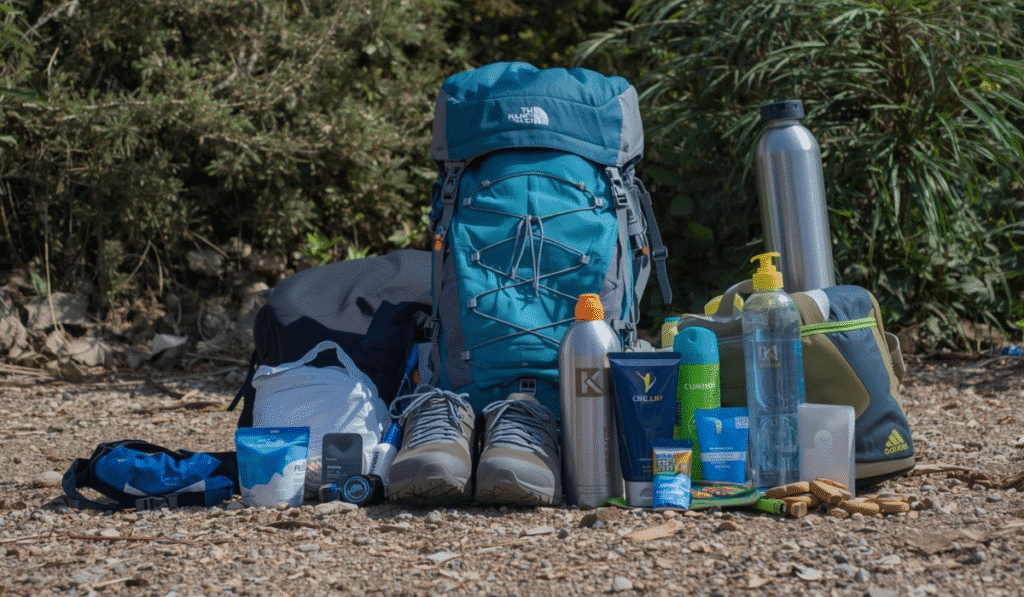
- Hiking shoes or trail sneakers: Sturdy footwear with good grip and ankle support is essential. Volcanic terrain can be loose, rocky, and slippery.
- Moisture-wicking clothing: Synthetic or merino wool shirts and long pants (or zip-off hiking pants) protect from sun, insects, and scratches. Avoid cotton—it stays wet and chafes.
- Small daypack (20-30 liters): For carrying water, snacks, your light jacket, camera, and personal items. It should fit comfortably for several hours of hiking.
- Reusable water bottle: Hydration is crucial. A bottle with a built-in filter is a smart upgrade if you’re worried about water quality. Most hikes have no potable water sources.
- Snacks for long hikes: Energy bars, trail mix, nuts, or dried fruit. The Santa Ana hike takes about 3-4 hours round trip, and there are no vendors on the trail.
- Light rain jacket: Weather on volcanoes changes in minutes. A packable, waterproof jacket is your insurance against a sudden downpour, even in the dry season.
- Cash for park entrance fees: Most national parks and volcanoes require an entrance fee (usually $3-$6 USD) and sometimes a mandatory guide (another $10-$20). They take cash only (U.S. dollars).
Deepen your adventure: Read the definitive guide to volcanic tourism in El Salvador and explore Cerro Verde National Park . For bird lovers, here’s a guide to nature and bird tourism .
Rainy Season Packing List (May–October)
If you travel during the green season (May to October), you’ll enjoy lush landscapes, fewer tourists, and lower prices. But you will get wet. Pack smart.
- Waterproof jacket or poncho: A lightweight, packable shell is ideal. A poncho covers you and your daypack but can catch wind.
- Quick-dry clothing: Synthetics and merino wool are your friends. Cotton jeans can take a full day to dry in humid conditions.
- Waterproof backpack cover: Most daypacks aren’t waterproof. A cheap cover (or a heavy-duty garbage bag) keeps your electronics and documents dry.
- Dry bags for electronics: For cameras, phones, power banks, and passports. A small dry bag (3-5 liters) is cheap insurance.
- Extra socks and shoes: Wet feet ruin a day. Bring at least 3-4 pairs of socks and consider water-resistant trail shoes or sandals that can get wet and dry quickly.
- Stronger insect repellent: Mosquitoes breed in standing water after rains. DEET-based repellent (30% or higher) is recommended, especially at dawn and dusk.
Health & Safety Essentials
Your health and safety come first. Here’s what to bring to stay healthy and handle minor emergencies.
- Basic first aid kit: Band-aids, gauze, antiseptic wipes, tweezers (for splinters/spines), medical tape, and blister pads.
- Prescription medications: Bring enough for your entire trip plus a few extra days. Keep them in their original bottles, and carry a copy of your prescription. It’s also smart to have a doctor’s note, especially for controlled substances.
- Insect repellent: Stated again for emphasis. This is non-negotiable. Dengue, chikungunya, and Zika are transmitted by mosquitoes. Use EPA-approved repellent with DEET, picaridin, or oil of lemon eucalyptus. Apply it morning and afternoon.
- Sunscreen and after-sun lotion: Broad-spectrum, water-resistant SPF 50+. After-sun aloe gel soothes any missed spots.
- Hand sanitizer and hygiene products: Public restrooms and rural areas may not have soap. Pack a small bottle of hand sanitizer, plus toilet paper or wet wipes (many bathrooms don’t provide them).
- Rehydration salts / electrolyte tablets: The heat and humidity can dehydrate you quickly. Electrolyte powders or tablets help you recover faster than water alone.
- Water bottle (preferably with filter): Tap water in El Salvador is not safe for tourists to drink. Use bottled water for drinking and brushing your teeth. A bottle with a built-in filter (like LifeStraw or Grayl) gives you safe water from any tap or stream.
Peace of mind: For a complete overview of staying safe, including driving and city safety, read this guide to safe tourism in El Salvador .
Electronics & Travel Gear
Staying connected and powered up is easier than you think. Here’s what you need.
- Smartphone and charger: Your primary tool for navigation (Waze is king in El Salvador), translation, photos, and communication.
- Power bank (10,000-20,000 mAh): Essential for long day trips, volcano hikes, or days at the beach. You won’t always find an outlet.
- Universal travel adapter (maybe): El Salvador uses the same outlets as the United States: Type A and B (two flat pins or two flat pins with a round ground pin). Voltage is 110-120V. Travelers from the US and Canada don’t need an adapter. Travelers from Europe, the UK, or other regions will need a type A or B adapter and a voltage converter if their devices aren’t dual-voltage.
- Camera or GoPro: For capturing landscapes, surf shots, and wildlife. Consider a waterproof case or housing if you’ll be near water.
- Waterproof phone case (optional but useful): Great for the beach, boat tours, or Lake Coatepeque.
- Cable organizer: Keeps your chargers, cables, and power bank from turning into a tangled mess in your bag.
Quick tip: For a unique perspective of the country, consider booking tours in El Salvador that include transportation and guides—some even provide photography tips.
Transportation in El Salvador (Important Travel Tip)
Here’s the truth: El Salvador is a country where many of the best beaches, volcanoes, and hidden destinations are not easily accessible by public transport. Buses are cheap but slow, infrequent to remote areas, and not always comfortable for carrying luggage or surfboards.
That’s why planning your transportation in advance can significantly improve your travel experience.
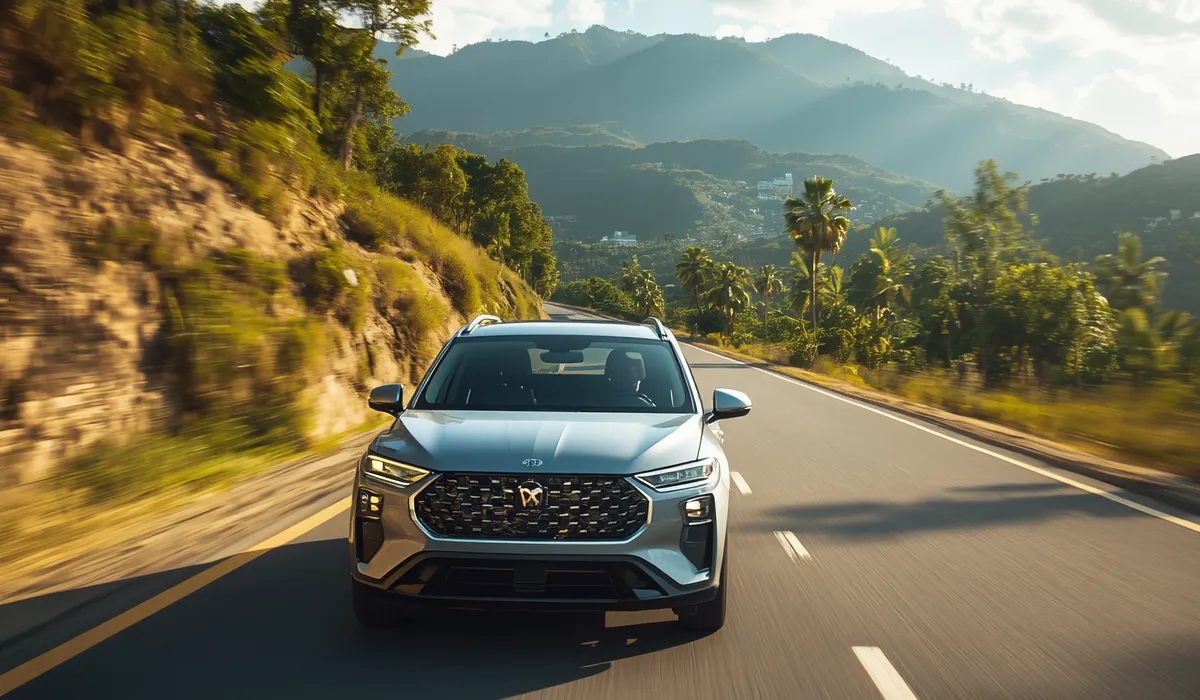
If you want freedom and flexibility, renting a car is one of the smartest options. Distances are short: you can have breakfast in a Ruta de las Flores town, hike a volcano by late morning, and be back in San Salvador for dinner.
One highly convenient solution is Carvi, a modern car rental platform in El Salvador designed for travelers who want a simple, fast, and fully online booking experience.
Why travelers choose Carvi:
- No complicated paperwork – The entire process is digital, from booking to contract signing.
- Insurance included options – No hidden fees or pressure to buy expensive add-ons at the counter.
- Easy online reservation – Book in less than 5 minutes from your phone or computer.
- No abusive security deposits – Traditional agencies can block $500–$5,000+ on your credit card. Carvi doesn’t do that.
- Airport pickup and drop-off availability – Coordinate directly with the car owner (host) to meet you at SAL or your hotel.
- Ideal for exploring beaches, volcanoes, and off-the-beaten-path locations – Exactly what this packing list is preparing you for.
👉 Ready to secure your wheels? Book your rental car here and make your trip easier:
https://renta.carviapp.com/?ref=hebert-13D1AC
If you’re still comparing options, here are some specific resources:
- For a general overview: Car Rental El Salvador
- If you’re flying into the capital: Car Rental San Salvador
- For rugged terrain: 4×4 Car Rental El Salvador
- No credit card? No problem: Rent Without a Credit Card
- Avoid big deposits: Car Rental Without a Deposit
- Understand your coverage: Theft Insurance for Car Rentals
What NOT to Pack for El Salvador
Packing light isn’t just a suggestion—it’s a strategy that will make your trip much more enjoyable. Here’s what to leave at home.
- Heavy winter clothing (not needed) – Even in the coolest mountain areas, a light fleece or hoodie is sufficient. You won’t need a parka, thermal underwear, or heavy wool sweaters.
- Expensive or flashy jewelry – Leave the Rolex, diamond earrings, and designer handbags at home. You don’t want to attract unwanted attention or risk losing valuables at the beach.
- Overpacking unnecessary items – Be honest: do you really need three pairs of jeans and five books? You won’t wear half of it.
- Bulky luggage (travel light is better) – Cobblestone streets, uneven sidewalks, and stairs in hostels or small hotels are enemies of large, wheeled suitcases. A 40-liter travel backpack or a rolling duffel with sturdy wheels is much better.
- Your favorite irreplaceable items – Things that would ruin your trip if lost, stolen, or broken. Leave sentimental jewelry, expensive watches, and irreplaceable electronics at home.
- Too many “just in case” items – El Salvador has stores. You can buy sunscreen, insect repellent, toothpaste, and even basic clothing if you forget something.
Instead of overpacking, plan to enjoy local life: Explore family restaurants in El Salvador , dive into gastronomic tourism , and follow gastronomic routes to eat your way through the country. You don’t need to bring snacks from home—just your appetite.
Complete El Salvador Packing Checklist (Printable Summary)
Copy this list into your phone notes or print it out. Check each item before you zip your bag.
Documents & Money
- [ ] Passport (6+ months validity)
- [ ] Driver’s license (and IDP if needed)
- [ ] Travel insurance policy + emergency numbers
- [ ] Copies (physical and digital) of all documents
- [ ] Credit/debit cards (inform your bank of travel)
- [ ] Cash in USD (small bills: $1, $5, $10, $20)
Clothing & Footwear
- [ ] Light t-shirts and tank tops (4-6)
- [ ] Shorts (2-3)
- [ ] Long pants (1-2) (jeans or lightweight)
- [ ] Long-sleeve shirt for sun/insects (1)
- [ ] Light fleece or hoodie (1)
- [ ] Swimsuit (2)
- [ ] Underwear and socks (7+ days)
- [ ] Pajamas or sleepwear
- [ ] Comfortable walking shoes or trail sneakers
- [ ] Sandals or flip-flops
Beach & Sun
- [ ] High-SPF sunscreen (SPF 50+)
- [ ] Sunglasses (polarized recommended)
- [ ] Wide-brim hat or baseball cap
- [ ] Rash guard / UV shirt
- [ ] Quick-dry towel
Hiking & Adventure
- [ ] Sturdy hiking shoes or boots
- [ ] Moisture-wicking shirt and pants
- [ ] Small daypack (20-30L)
- [ ] Reusable water bottle (filter bottle optional)
- [ ] Snacks (energy bars, trail mix)
- [ ] Cash for park fees
Rainy Season (if applicable)
- [ ] Waterproof jacket or poncho
- [ ] Waterproof backpack cover
- [ ] Small dry bag for electronics
- [ ] Extra pair of socks and shoes
Health & Hygiene
- [ ] Prescription medications (plus extra days)
- [ ] Basic first aid kit
- [ ] Insect repellent (DEET 30%+)
- [ ] Hand sanitizer (small bottle)
- [ ] Toilet paper or wet wipes (travel pack)
- [ ] Toothbrush, toothpaste, floss
- [ ] Deodorant, shampoo, soap (travel sizes)
- [ ] Electrolyte tablets or powder
Electronics & Gear
- [ ] Smartphone + charger
- [ ] Power bank (10,000+ mAh)
- [ ] Universal adapter (only if coming from non-US region)
- [ ] Camera + charger + memory card
- [ ] Waterproof phone case (optional)
- [ ] Headphones or earbuds
Miscellaneous
- [ ] Travel backpack or lightweight suitcase
- [ ] Daypack (small for excursions)
- [ ] Reusable shopping bag (for market finds)
- [ ] Pen (for immigration forms)
- [ ] Small padlock (for hostel lockers)
Frequently Asked Questions About El Salvador Packing List
What should I wear in El Salvador to not look like a tourist?
Locals dress casually but neatly. In cities, avoid wearing swimsuits or overly revealing clothing away from the beach. Dark jeans, t-shirts, casual button-downs, and closed-toe shoes are fine. In rural areas and churches, cover your shoulders and knees out of respect.
Do I really need a rain jacket if I’m going in the dry season?
Yes, it’s still a good idea. Even in the dry season (November-April), mountain areas like Cerro Verde or Santa Ana volcano can experience quick, localized showers. A lightweight, packable rain jacket doubles as a windbreaker.
Is hiking gear necessary for all visitors?
Only if you plan to hike volcanoes or go into national parks. If you’re staying only in San Salvador and the beach, you don’t need hiking boots or moisture-wicking shirts. But if you’re reading this packing list, you’re probably the adventurous type. Bring the gear.
Can I travel to El Salvador with carry-on only?
Absolutely. Many travelers do. A 40-liter travel backpack is ideal for 1-2 weeks. The key is limiting shoes (wear your bulkiest pair) and using packing cubes to compress clothing. Remember: cobblestone streets and small hotel rooms are not kind to large rolling suitcases.
Do I need a car in El Salvador?
If you want to see more than just San Salvador and one beach, yes. Public transport is limited for tourists. A car gives you the freedom to visit multiple beaches, volcanoes, and towns in a single day. For a stress-free experience, book through Carvi —no deposit, insurance included, and delivery to the airport or your hotel.
Is it safe to drive in El Salvador as a tourist?
Yes, with common sense. Stick to main roads during daylight hours, avoid driving at night in unfamiliar rural areas, use Waze for navigation (it’s more accurate than Google Maps in El Salvador), and don’t leave valuables visible in the parked car. Read more about safe tourism in El Salvador for detailed tips.
What are the absolute must-see places I shouldn’t miss?
You’re in luck. Here’s a curated list:
- Santa Ana Volcano – The most popular volcano hike.
- Lake Coatepeque – A stunning crater lake.
- Ruta de las Flores – A scenic drive through coffee towns.
- El Tunco Beach – The surf and party hub.
- Suchitoto – A colonial gem with cobblestone streets.
- Joya de Cerén – The “Pompeii of the Americas,” a UNESCO site.
- Concepción de Ataco – Famous for its colorful murals.
Get full details on all of these: The 10 best tourist places in Santa Ana , colonial tourism in Suchitoto , and the murals of Concepción de Ataco . For the east of the country, here’s a complete guide to San Miguel .
Final Thoughts: Pack Smart, Travel Free
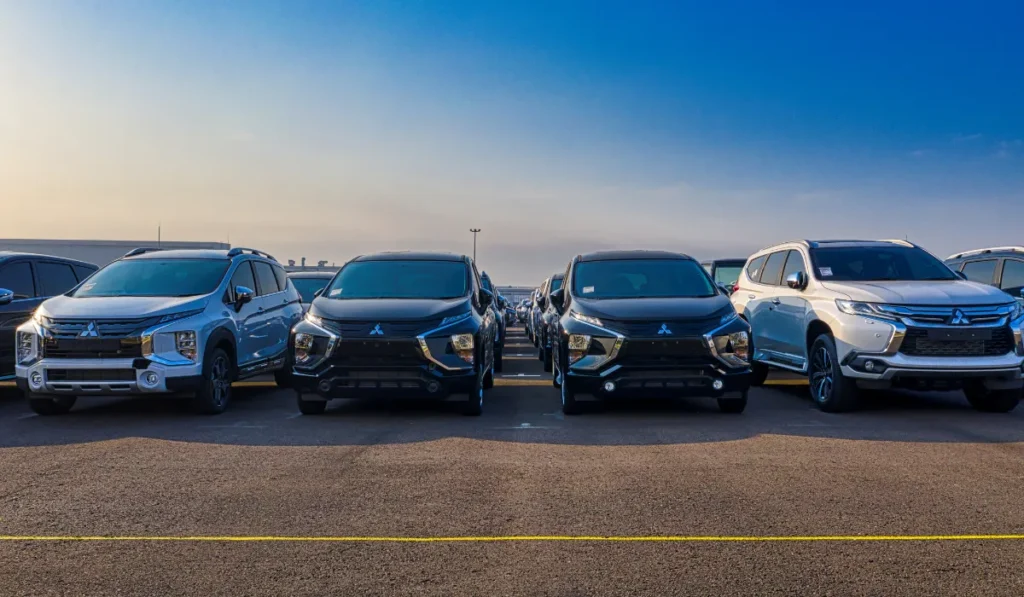
Your El Salvador packing list doesn’t need to be huge—it needs to be smart. Focus on lightweight, quick-dry layers, sturdy walking shoes, sun protection, and insect repellent. Leave the heavy winter clothes and expensive jewelry at home.
But the most important item on your checklist isn’t something you pack in a bag. It’s freedom. Freedom to wake up and decide, on a whim, to chase a sunrise at Lake Coatepeque or hunt for the perfect wave at a hidden beach.
That freedom comes from having reliable transportation. Don’t let outdated rental policies or fear of deposits hold you back.
👉 Secure your ride today with Carvi – book your car in 5 minutes, no deposit, insurance included:
https://renta.carviapp.com/?ref=hebert-13D1AC
Then, pack your bag, grab your passport, and get ready to discover why El Salvador is Central America’s rising star.
Safe travels, and enjoy every pupusa along the way.
Disclosure: This article contains affiliate links. If you book a car through Carvi using my link, I may earn a small commission at no extra cost to you. It helps me keep creating free, useful travel content. Thank you for your support.
Share this content:

Post Comment