Nature and Bird Tourism in El Salvador: Best Destinations
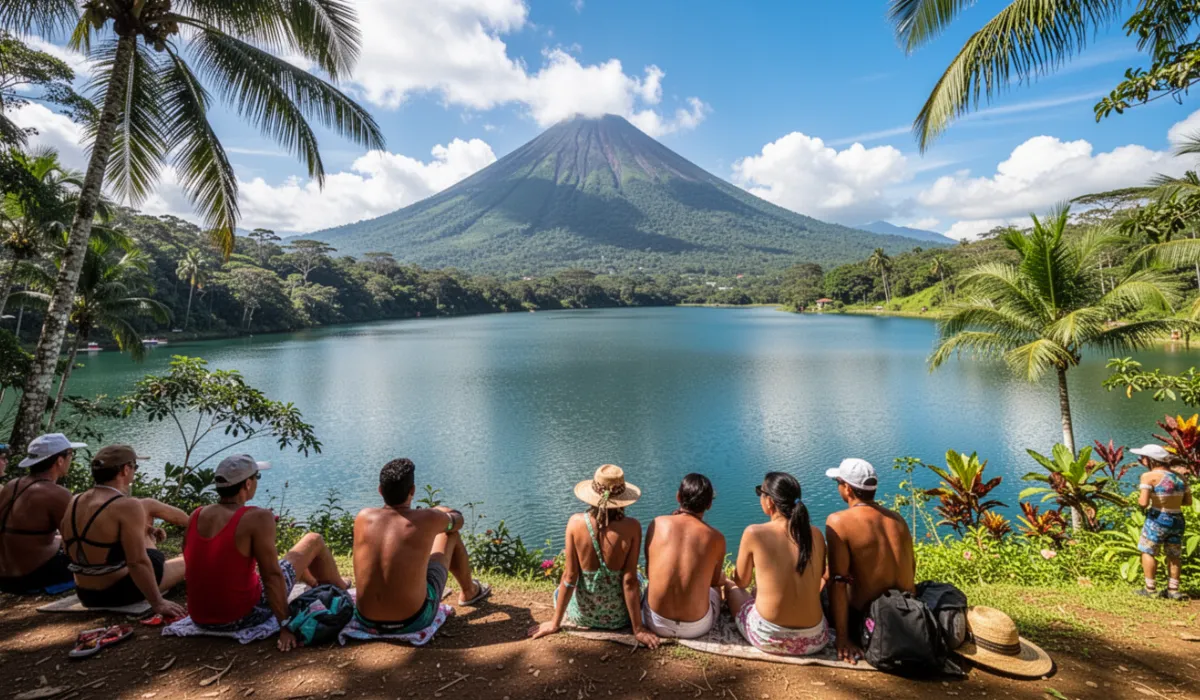
Did you know that El Salvador, the smallest country in Central America, is a giant for nature and birdwatching tourism? With an astonishing density of nearly 600 species, this compact destination offers a unique birding route where, in a single day, you can go from searching for the resplendent quetzal in cloud forests to observing thousands of migratory birds over lakes and mangroves. This guide is designed to take you on an essential route through the best destinations, from volcanoes to the coast, revealing why El Salvador is an essential and unexpected paradise for birdwatchers and nature lovers. Prepare to discover landscapes, species, and experiences that will redefine the way you see this fascinating country.
This article is your definitive guide to exploring this fascinating destination, with a route that covers its most emblematic ecosystems and connects you with its majestic wildlife.
An Avian Paradise: The Ornithological Wealth of El Salvador
El Salvador’s greatness for bird tourism lies in its incredible variety of ecosystems concentrated in a small area. In a single day, an observer can go from the cool heights of a cloud forest, home to the resplendent quetzal, to the warm coastal mangroves, teeming with herons and spoonbills.
This diversity caters to all types of observers:
- Resident Birds: Species that live permanently in the country, such as the colorful turquoise-browed motmot (national bird), noisy golden-fronted woodpeckers, and a multitude of tanagers and hummingbirds.
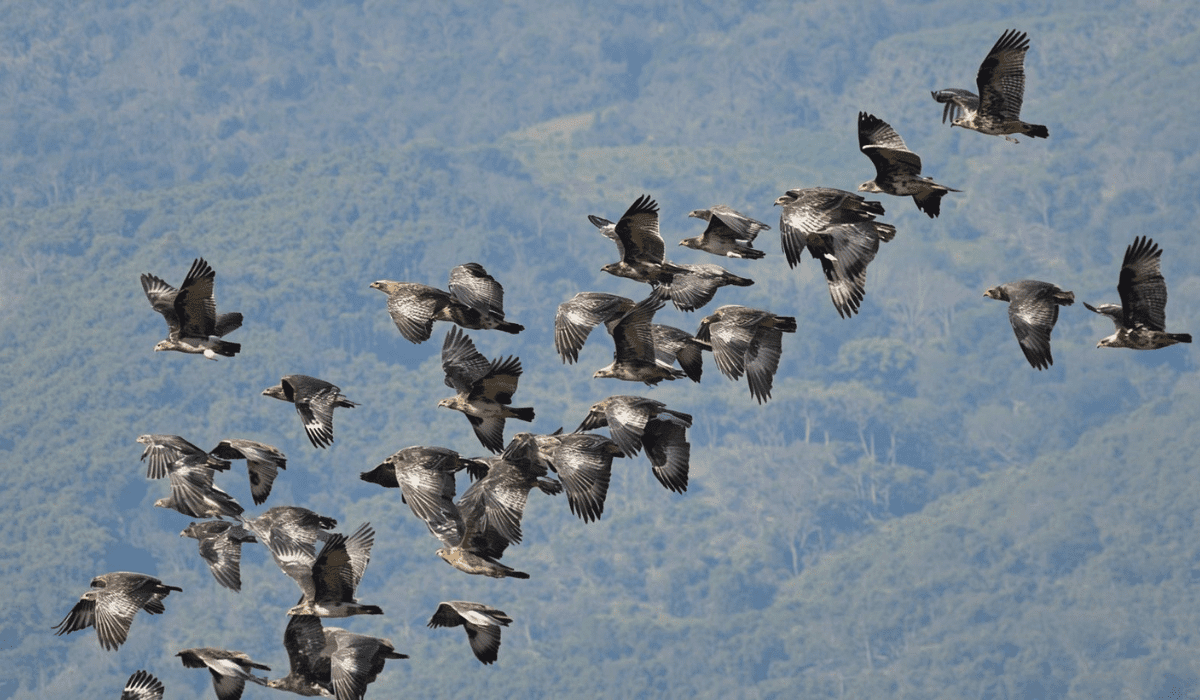
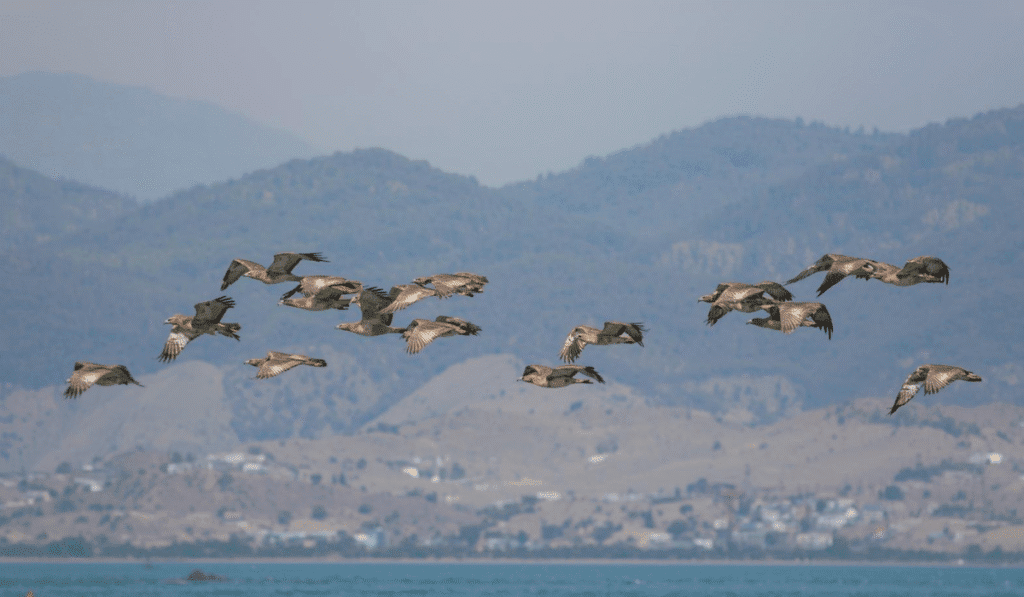
- Migratory Birds: Seasonal visitors, mainly from North America, that arrive between November and March. The spectacle of thousands of broad-winged hawks (“azacuán”) crossing the skies of Suchitoto is one of the most impressive.
- Regionally Endemic Birds: Species unique to the Mesoamerican area, such as the emblematic resplendent quetzal or the elusive great curassow, which find refuge in the country’s preserved forests.
A Route Through the Best Birding Destinations
To help you plan your adventure, this table compares the unmissable destinations for nature and bird tourism in El Salvador:
| Destination | Ecosystem Type | Iconic Species | Experience & Activities | Accessibility |
|---|---|---|---|---|
| Suchitoto | Lake, tropical forest, waterfalls. | Broad-winged Hawk (migratory raptor), herons, kingfisher, roseate spoonbill. | Massive migration watching, boat rides on Lake Suchitlán, hiking to Los Tercios Waterfall. | High. ~1 hour from San Salvador. |
| El Espino Ecopark | Mountain tropical forest, coffee plantations. | Golden-fronted woodpecker, tanagers, hummingbirds. | Ideal for beginners, well-marked trails, nature close to the city. | Very High. Minutes from San Salvador. |
| El Imposible National Park | Mature tropical forest (most biodiverse). | Black-crested Coquette (endangered), keel-billed toucan, white hawk, great curassow. | Hiking through primary forest, observing exclusive species and understory birds. | Medium. Requires mandatory guide and good physical condition. |
| Los Volcanes Complex (Cerro Verde) | Cloud forest in a volcanic crater. | Resplendent Quetzal, trogons, ornate hawk-eagle, green jay. | Hiking the crater rim, cool climate, observing endemic and symbolic species. | Medium-High. Well connected, medium-intensity hikes. |
| Jiquilisco Bay | Mangroves, canals, beaches (UNESCO Biosphere Reserve). | Herons, ibis, cormorants, peregrine falcon, Mangrove Vireo (“the invisible one”). | Boat rides through mangrove channels, observation of aquatic and shorebirds, community tourism. | Medium. Requires boat transport or organized tour. |
Practical Guide for Your Birding Adventure
🗓️ Best Time to Visit
The ideal season runs from November to March. During these months, the dry season (with clear skies and better road conditions) coincides with the peak of North American bird migration, maximizing the quantity and diversity of species to observe. The best times of day are the early morning hours (at dawn) and late afternoon, when bird activity is highest.
🎒 Essential Gear and Preparation
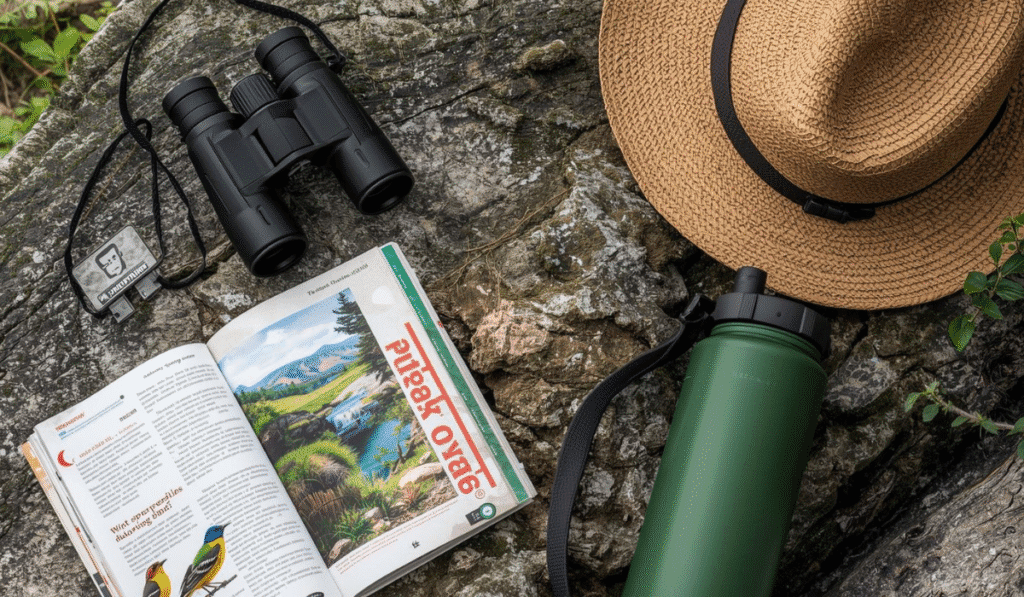
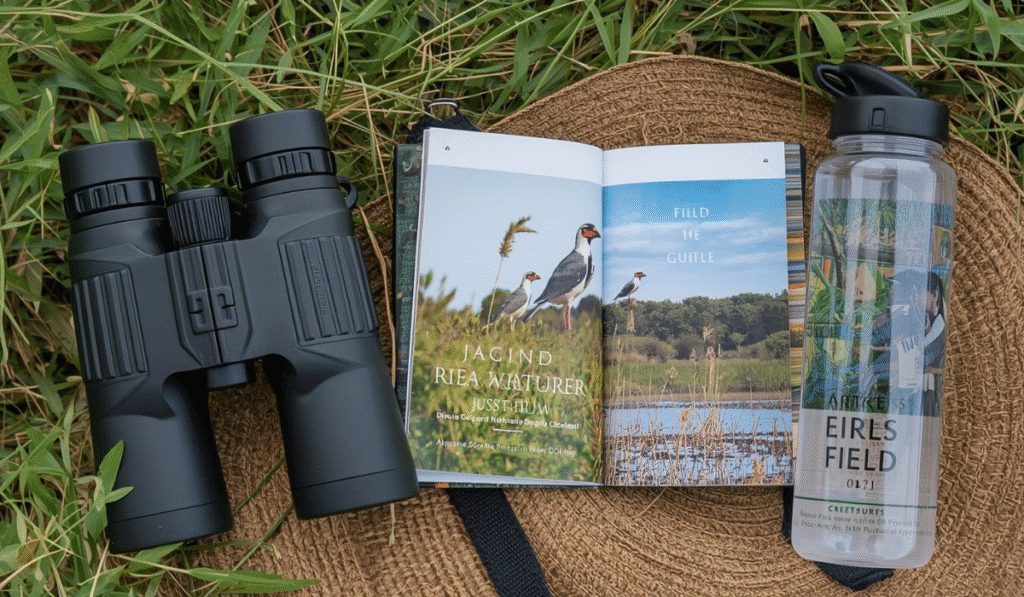
- Binoculars: They are your fundamental tool. An 8×42 model is a good starting point.
- Field Guide: Bring a physical guide to Central American birds or use apps like Merlin Bird ID.
- Proper Clothing: Wear neutral-colored clothing (greens, browns, beige) to blend in, comfortable hiking shoes, and a waterproof layer.
- Hire a Local Guide: It is the wisest decision. Certified guides, such as Benjamín Rivera (specialist since 2009), not only help you find and identify more birds but also enrich the experience with ecological and cultural knowledge, while supporting the local economy.
- Organized Tours: Companies like Suchitoto Adventure Outfitters offer private walking tours with expert guides, where it is possible to observe between 25 and 60 species on a single morning walk.
The Positive Impact of Responsible Nature Tourism
Choosing nature and bird tourism in El Salvador goes beyond a personal experience; it is a concrete conservation action. This type of sustainable tourism:
- Generates alternative employment and income for rural and coastal communities, from guides and cooks to family-run lodges.
- Incentivizes ecosystem protection, as it demonstrates that a standing forest or mangrove has tangible economic value through tourism.
- Fosters local pride in natural heritage, creating a network of guardians who watch over and care for their territory.
- Directly contributes to conservation through entry fees to national parks and protected areas.
Conclusion: The Call of Salvadoran Birds
El Salvador reveals itself as a surprising and accessible destination for nature and bird tourism. Its unique combination of concentrated biodiversity, destinations of great scenic beauty, and the warmth of its people make it the perfect choice for both the experienced birder seeking the splendid quetzal and the curious traveler taking their first steps in birdwatching.
Ready to answer the call? Start planning your trip, contact certified guides, pack your binoculars, and get ready to discover why this small but great country is poised to become the next major destination for nature and bird lovers in Central America.
Share this content:




Post Comment