
Tourist Routes of El Salvador: Complete Guide to Explore the Country
- Introduction to the Tourist Routes of El Salvador
- Why Explore El Salvador Through Its Tourist Routes?
- Ruta de las Flores: The Essence of the Mountains
- Ruta Arqueológica: The Footprints of the Maya
- Ruta Complejo de los Volcanes: Adventure Among Giants
- Ruta Sol y Playa: The Surf Paradise
- Ruta Artesanal y Pueblos Vivos: Tradition by Hand
- How to Get Around the Tourist Routes of El Salvador with Carvi
- Best Time to Explore the Tourist Routes
- Practical Tips for Traveling in El Salvador
- How to Plan an Itinerary Across Multiple Routes
- Conclusion: El Salvador, a Complete Destination to Discover
El Salvador, with its eight official tourist routes, offers unique diversity in a compact territory: from world-class surfing beaches to smoking volcanoes, colonial towns, and Mayan archaeological sites. According to the Ministry of Tourism (MITUR), this system of circuits, consolidated as a state policy, allows travelers to explore the country’s essence in an orderly and safe manner. By 2026, the infrastructure and offerings along each route are projected to be fully mature, facilitating a comprehensive tourist experience. This guide is your definitive map for navigating each of these paths, with updated information and practical advice for moving around with maximum freedom and efficiency.
Introduction to the Tourist Routes of El Salvador
El Salvador has transformed its tourist offerings through a model based on thematic routes. This system not only organizes the country’s attractions but also democratizes access, distributes economic benefits locally, and ensures quality and safety standards for visitors. For the traveler, it means having a clear itinerary with optimized distances and simplified logistics. The routes connect imposing nature with a living culture and renowned cuisine, offering a complete experience that goes beyond isolated destinations. In this context, planning transportation is key, and tools like Carvi become essential allies for those seeking autonomy, comfort, and the possibility to delve into the country’s most authentic corners at their own pace.

Why Explore El Salvador Through Its Tourist Routes?
The main advantage of following the official tourist routes is the absolute optimization of time and experience. Although El Salvador is geographically small, its mountainous topography makes travel require planning. The routes group destinations by theme and proximity, allowing for deep immersion without long hours on the road.
Furthermore, traveling along these circuits is synonymous with safety and ease. The areas integrated into the routes have developed tourist infrastructure, signage, and a local community prepared to receive visitors. Moving between these points using main roads during the day, as facilitated by mobility services like Carvi, minimizes contingencies and maximizes peace of mind. This approach allows for unique experiences, from tasting high-altitude coffee on a family farm to surfing world-class waves, with fluid and predictable logistics.
Ruta de las Flores: The Essence of the Mountains
A 36-kilometer journey along the Apaneca-Ilamatepeq mountain range connecting five towns full of color, tradition, and the aroma of coffee. It is the most emblematic and one of the most visited routes, perfect for a first immersion into local culture.
- Juayúa: The gastronomic heart of the route. Its famous Weekend Gastronomic Festival is a feast of local flavors, serving dishes from fried fish to exotic meats. The central square, with its white church, is the meeting point.
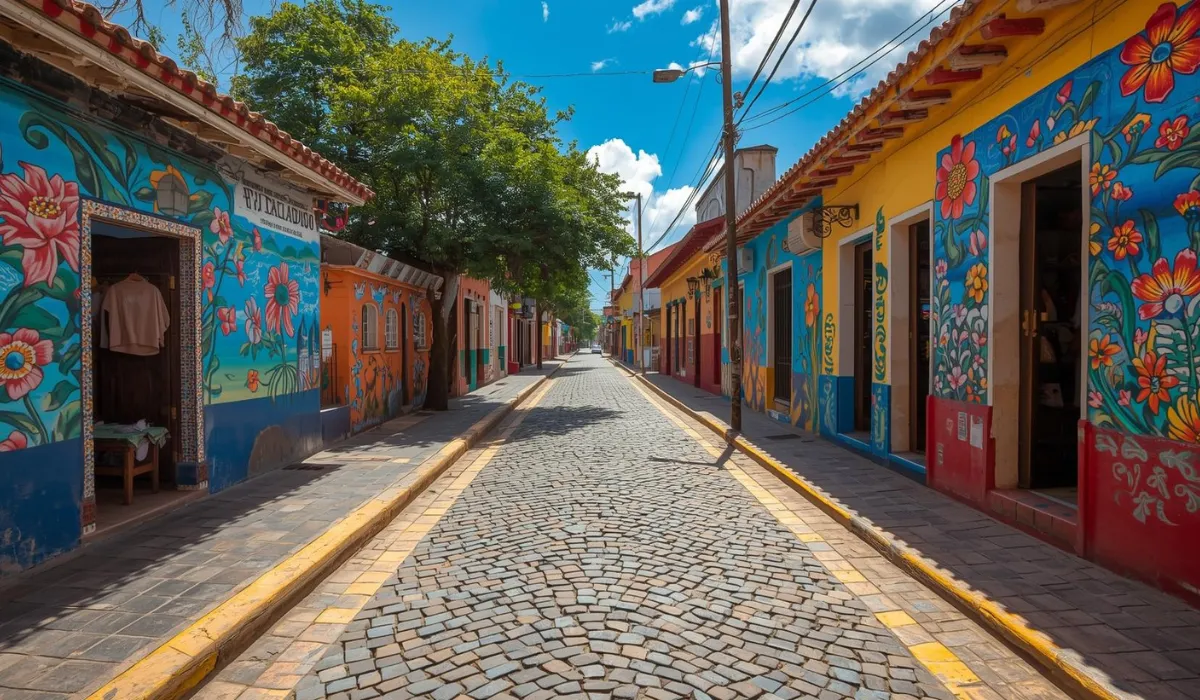
- Concepción de Ataco: An open-air art gallery. This town is famous for its colorful murals adorning facades, its pedal loom workshops, and its cozy cafes. Strolling its cobblestone streets is an experience in itself.
- Apaneca: The adventure capital. Located at the highest point, it’s the ideal place for activities like buggy tours, canopy rides over coffee plantations, and visiting the mysterious Laguna Verde.
- Nahuizalco and Salcoatitán: Completing the route, these towns offer tradition and tranquility. Nahuizalco is known for its candlelit night market (“Noche de Luz”) and its wicker crafts, while Salcoatitán surprises with its rose gardens and peaceful atmosphere.
Mobility Tip: The road is in excellent condition but winding. For this route, a compact or standard car rented through Carvi is more than sufficient, allowing you to stop at every viewpoint and town without depending on schedules.
Ruta Arqueológica: The Footprints of the Maya
This route connects sites that showcase the richness of the pre-Columbian cultures that inhabited the region, offering a highly educational journey back in time.
- Joya de Cerén: Declared a UNESCO World Heritage Site, this place is unique in Mesoamerica. Known as the “Pompeii of the Americas,” it was an agricultural village covered by volcanic ash around 650 AD, extraordinarily preserving the daily life of its inhabitants.
- Tazumal (Chalchuapa): One of the best-preserved Mayan complexes in the country. Its large main pyramid, adjacent structures, and on-site museum help understand the scale and importance of this ceremonial center.
- San Andrés: This was an important political and ceremonial center in the region. Although less restored than Tazumal, its size and the La Campana pyramid offer a perspective on the hierarchy and power that emanated from this place.
Mobility Tip: These sites are relatively close to each other in the western part of the country. Having your own car, easily managed through the Carvi app, allows you to visit them at your own pace, combine them in a day, and return comfortably to your accommodation.
Ruta Complejo de los Volcanes: Adventure Among Giants
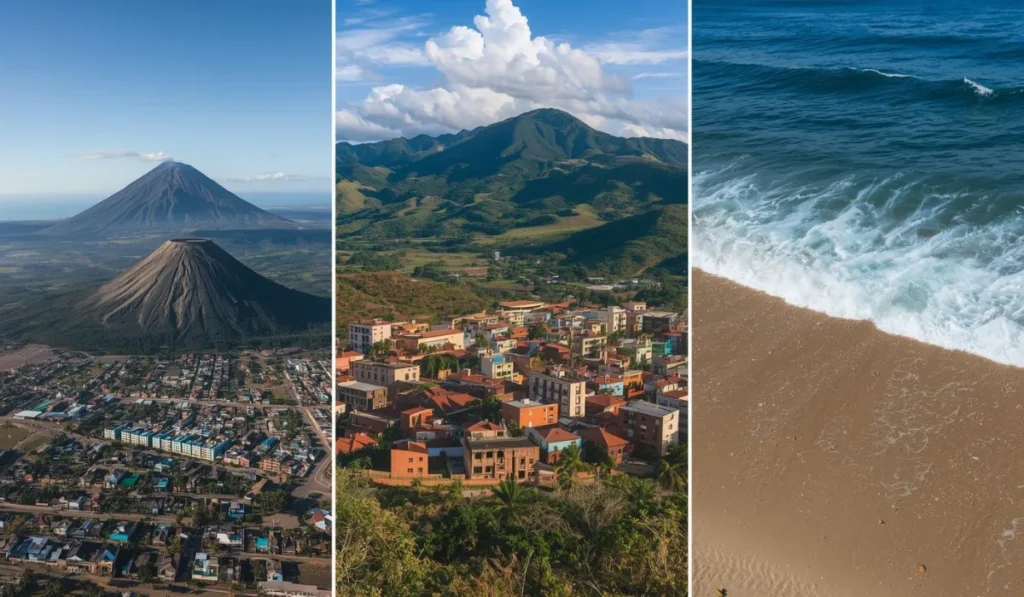
In western El Salvador, this route brings together the colossi that define the Salvadoran landscape: the Santa Ana (Ilamatepec), Izalco, and Cerro Verde volcanoes. It’s the perfect destination for hiking lovers and spectacular views.
- Santa Ana Volcano: The ascent to its crater (medium-high difficulty, approximately 4 hours round trip) is the premier activity. The reward is unparalleled: a sulfuric lake of emerald green color in active ebullition.
- Cerro Verde National Park: This extinct volcano is the natural viewpoint par excellence. Its paved trails offer panoramic views of the Santa Ana volcano, the perfect cone of Izalco, and on clear days, the impressive Lake Coatepeque.
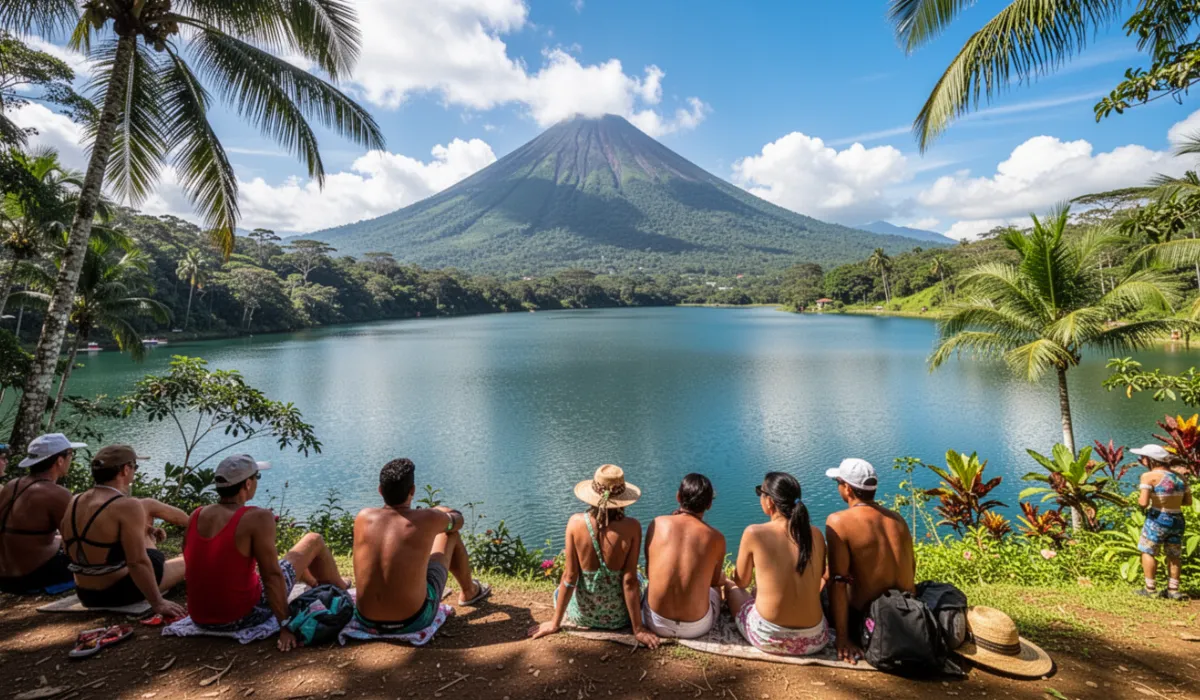
- Lake Coatepeque: Although not a volcano, this lake of volcanic origin is a mandatory stop in the area. Its turquoise blue waters are ideal for swimming, kayaking, or simply enjoying a meal with one of the most photogenic views in the country.
Mobility and Equipment Tip: To reach the trailheads, a vehicle with good engine capacity is recommended. Temperatures at the summit can drop drastically, so it’s crucial to bring warm clothing, hiking shoes, and sun protection.
Ruta Sol y Playa: The Surf Paradise
This is the most international route and the heart of Surf City El Salvador. With over 300 km of Pacific coastline, it concentrates waves for all levels, from beginners to world champions.
- El Tunco and El Zonte: These towns are the meccas of surf and bohemian atmosphere. El Tunco, with its iconic pig-shaped rock on the beach, offers vibrant nightlife. El Zonte, a bit quieter, is famous for its consistent wave “breaks” and cliffs.
- La Libertad and Punta Roca: The port of La Libertad is the historic epicenter of Salvadoran surfing. Punta Roca, one of the longest right-hand waves in the world, attracts expert surfers from across the globe. The renovated boardwalk and Sunset Park are perfect for sunset.
- Costa del Sol: For those seeking relaxation and a family atmosphere, this extensive beach with calm waters is ideal. Its restaurants serve fresh seafood, and it’s perfect for long walks.
Mobility Tip: The Coastal Highway (CA-2) excellently connects all these beaches. A rental car gives you the freedom to explore different surf spots or quiet coves in the same day. Carvi is especially useful here, as you can pick up the vehicle at the airport and start your coastal adventure immediately.
Ruta Artesanal y Pueblos Vivos: Tradition by Hand
This route celebrates the creativity and talent of Salvadoran artisans, intertwining with the “Pueblos Vivos” (Living Towns) program that seeks to revitalize cultural heritage.
- Suchitoto (Cuscatlán): The colonial jewel of El Salvador. Its cobblestone streets, imposing Santa Lucía church, and artistic atmosphere make it unique. It’s the center of indigo art, where you can participate in workshops to dye fabrics with this natural dye.
- La Palma (Chalatenango): Birthplace of the naïve artistic style of Fernando Llort. His influence is seen in the colorful designs that decorate everything from paintings and wood crafts to the town’s walls. It’s a place full of color and calm.
- Ilobasco (Cabañas): Renowned throughout Central America for its exquisite miniature clay crafts. These small, detailed figures representing everyday scenes are true works of art.
How to Get Around the Tourist Routes of El Salvador with Carvi
Mobility Tip: These towns are in the central and northern regions of the country. Distances are moderate, but public transportation can be slow. A private car allows you to visit artisan workshops, often on the outskirts, with total comfort and carry your purchases without worry.
To explore El Salvador’s tourist routes with complete autonomy, renting a car is the option that offers the best balance of freedom, cost, and efficiency. In this sense, Carvi positions itself as a modern solution adapted to the needs of the 2026 traveler.
Carvi is a digital car rental platform operating in El Salvador, notable for a 100% online process that eliminates unnecessary bureaucracy. Its fleet, ranging from economical compacts to SUVs ideal for mountainous terrain, adjusts to the specific demands of each tourist route.
Key benefits of using Carvi on your tour:
- Total Flexibility: Design your own schedule. Detour to an unplanned viewpoint, spend more time in a town you loved, or change beaches based on the tide.
- Comfort and Space: Carry all the equipment you need at no extra cost: surfboards, hiking backpacks, photography cameras, or artisan purchases.
- Access to Authentic Experiences: Many coffee farms, family restaurants, and secret viewpoints are off public transportation routes. With your own car, you can discover local essence.
- Efficiency for Groups and Families: For groups of friends or families, the per-person cost of a rental car is highly competitive compared to other means, plus the comfort of traveling together.
Types of users who benefit most:
- Independent Tourists: Who value autonomy and discovering places at their own pace.
- Families: Who need space for luggage, child seats, and the flexibility to make frequent stops.
- Digital Nomads: Who seek to work from different towns and need to transport their work equipment safely.
- Surfing and Hiking Enthusiasts: Who must transport specialized equipment from one point of the country to another.
Practical Carvi Tip: For mountain routes like Las Flores or Los Volcanes, book a vehicle with good engine capacity (a standard SUV is ideal). For the Ruta Sol y Playa and archaeological routes, a compact or sedan is more than sufficient and economical. The Carvi app allows you to filter by vehicle type according to your needs.
Best Time to Explore the Tourist Routes
Choosing when to travel largely defines the experience. El Salvador has a tropical climate with two marked seasons:
- Dry Season (November to April): Considered the best time to visit. Days are mostly sunny with clear skies, ideal for hiking, surfing, and photography. It’s the high season, so booking accommodation and a vehicle with Carvi in advance is recommended.
- Rainy or “Green” Season (May to October): Characterized by intense but short rains, usually in the afternoons. Landscapes are at their most splendid, lush and green. There are fewer tourists, and prices may be lower. Some volcano trails may close as a precaution. With a car, you can plan morning activities and use rainy afternoons to visit museums, covered markets, or relax.
Practical Tips for Traveling in El Salvador
- Currency: The US dollar (USD) is the legal tender. It’s advisable to carry cash in small denominations for local markets, food stalls, and tolls, although credit cards are accepted in most tourist establishments.
- Safety: Tourist areas are safe. Use common sense: don’t leave valuables in plain sight in the car, drive mainly during the day on main roads (CA-1, CA-2), and be aware of your surroundings. Using a reliable car rental service like Carvi, with well-maintained vehicles and included insurance, adds an extra layer of peace of mind.
- Connectivity: 5G mobile data coverage is excellent in main cities and along routes. Buy a local SIM card for affordable internet during your trip; it’s essential for using real-time maps and managing your Carvi reservation.
How to Plan an Itinerary Across Multiple Routes
Combine the essence of El Salvador in a memorable trip:
- 5-Day Itinerary (Salvadoran Essence):
- Days 1-2: Ruta de las Flores (overnight in Ataco or Juayúa).
- Day 3: Ruta de los Volcanes (ascent of Santa Ana or visit to Cerro Verde and Lake Coatepeque). Transfer to the coast.
- Days 4-5: Ruta Sol y Playa (El Tunco or El Zonte). Surf and relaxation.
- 7-8 Day Itinerary (Total Immersion):
- Follow the 5-day itinerary.
- Day 6: Ruta Arqueológica (Joya de Cerén and Tazumal) on the way to Suchitoto.
- Day 7: Ruta Artesanal (Suchitoto, exploring the town and indigo workshop).
- Day 8: Return to the airport from Suchitoto (approximately 1 hour by car).
Conclusion: El Salvador, a Complete Destination to Discover
The tourist routes of El Salvador are much more than a simple list of places; they are an invitation to live authentic and diverse experiences in a country of profound contrasts. From the adrenaline of surfing a perfect wave to the serenity of a sunset in a mountain town, each route tells part of the story of this resilient and hospitable nation. By 2026, with a consolidated offering and smart mobility options like Carvi, planning a trip through El Salvador is simpler and more attractive than ever. The freedom of a rental car allows you to weave your own adventure, connect with its people, and discover why El Salvador has become the revelation destination of Central America.
Share this content:



Post Comment